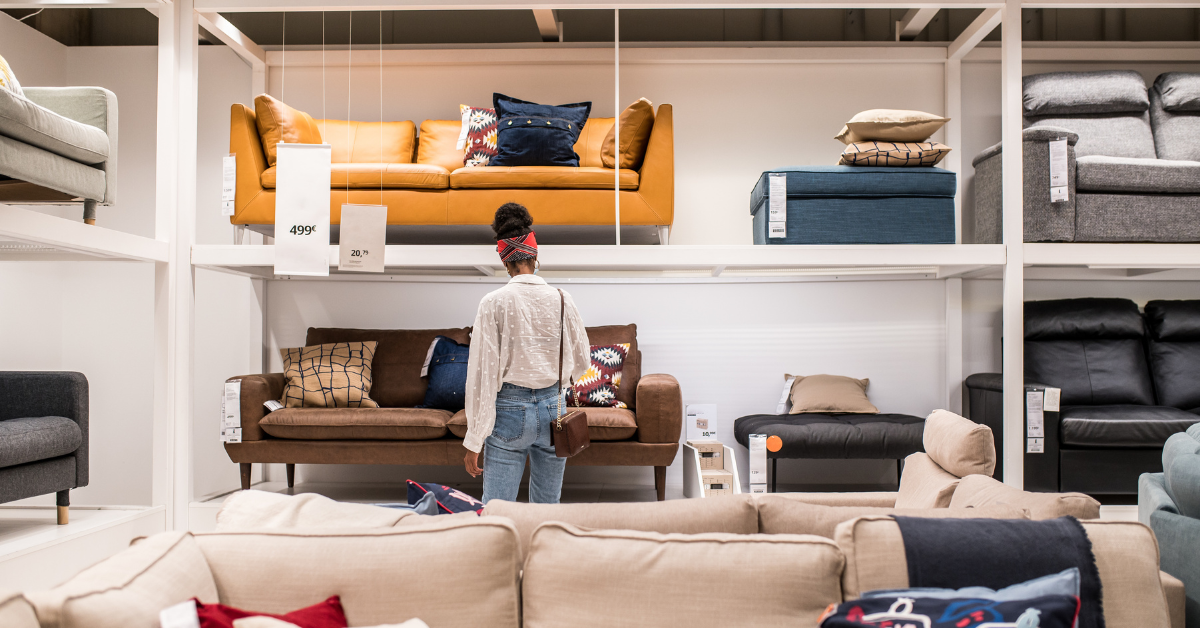
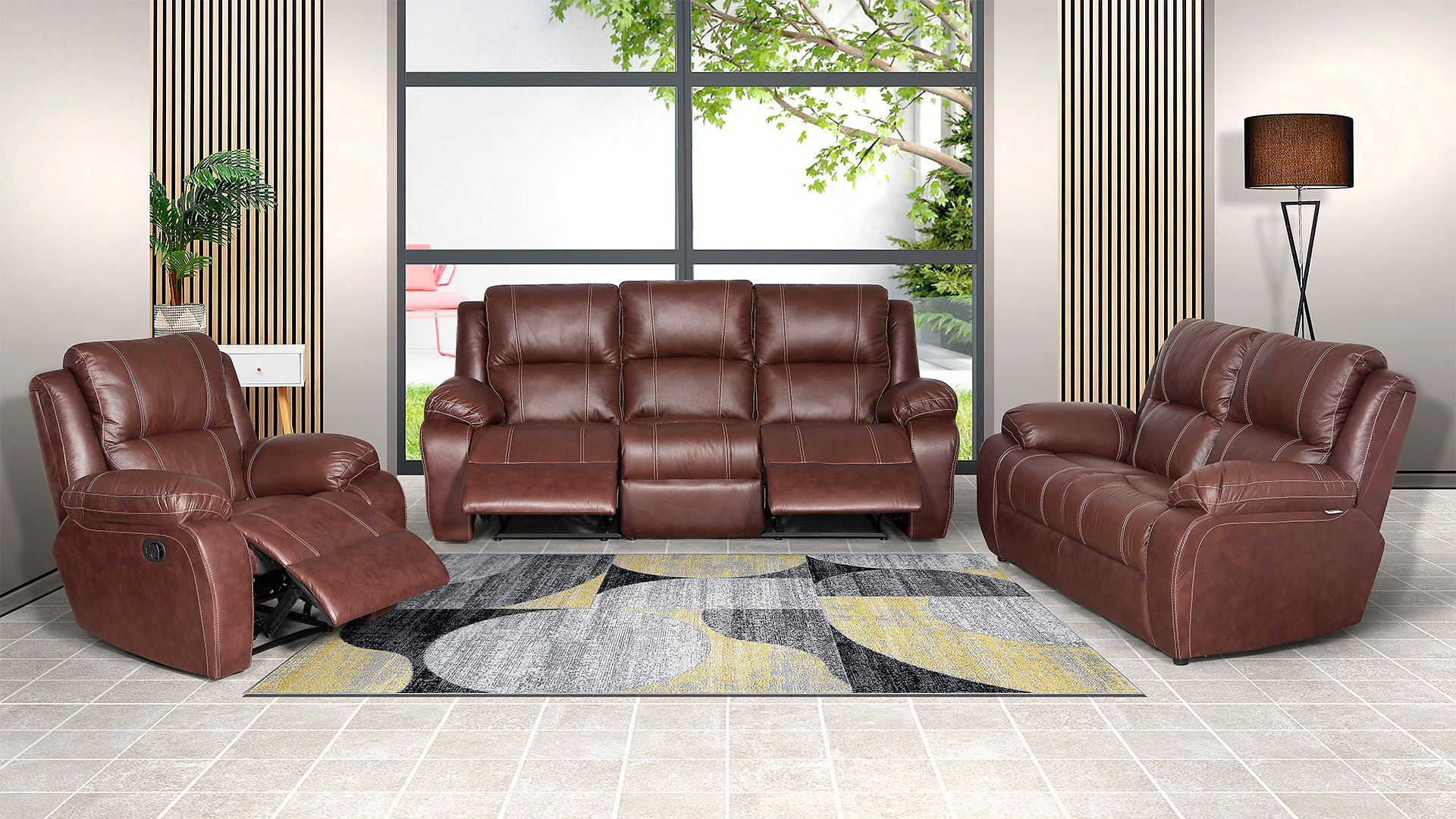
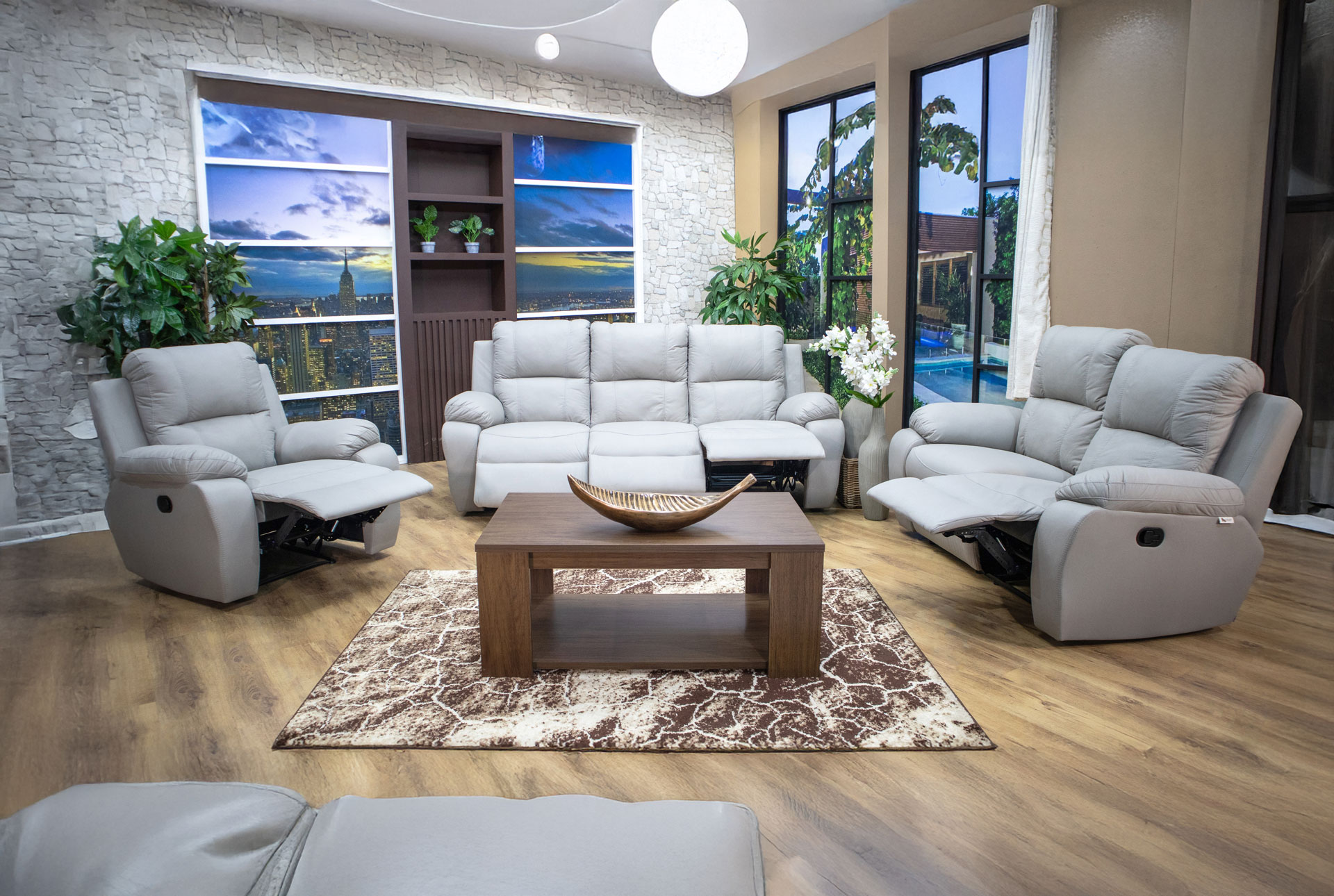
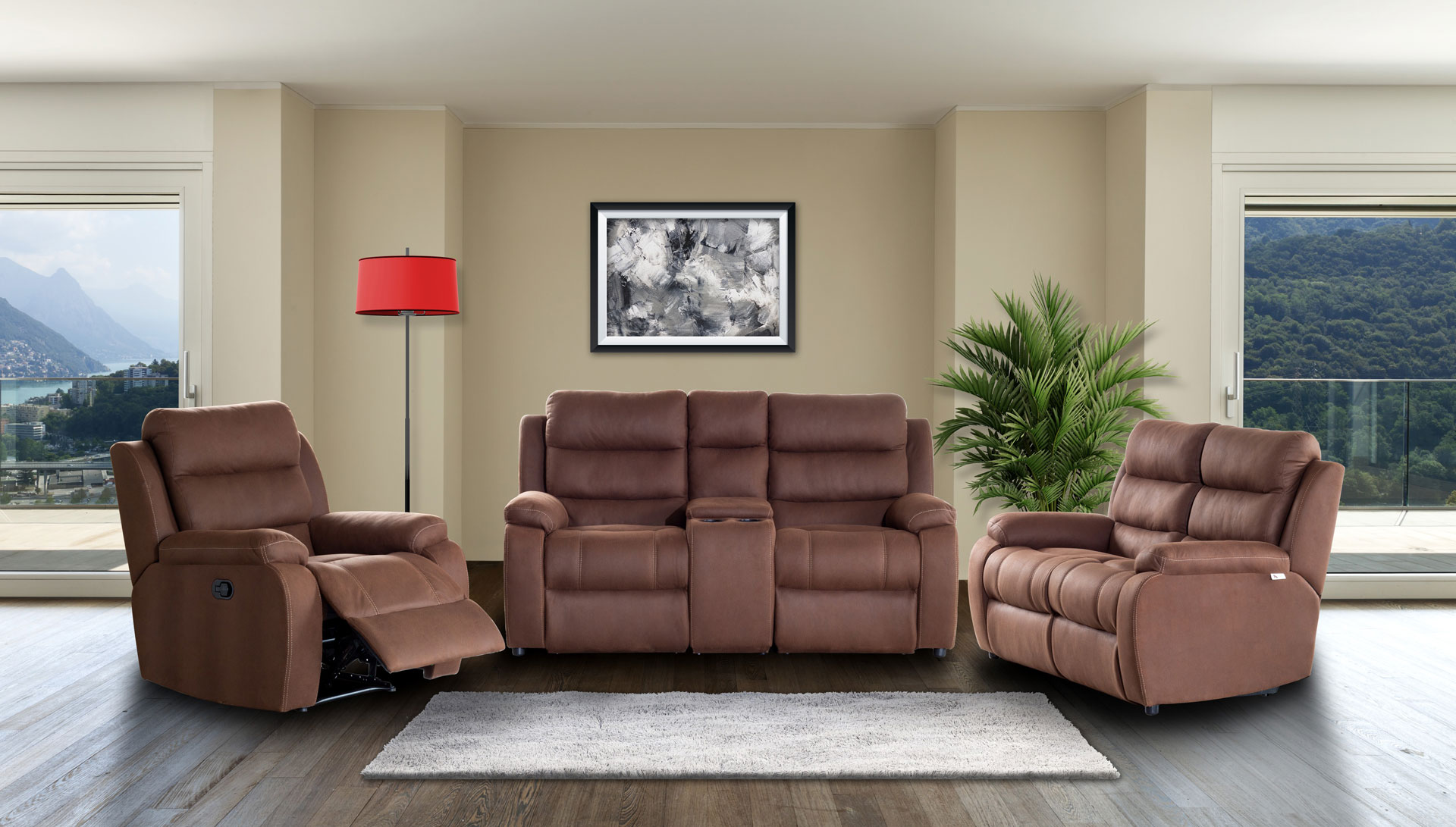
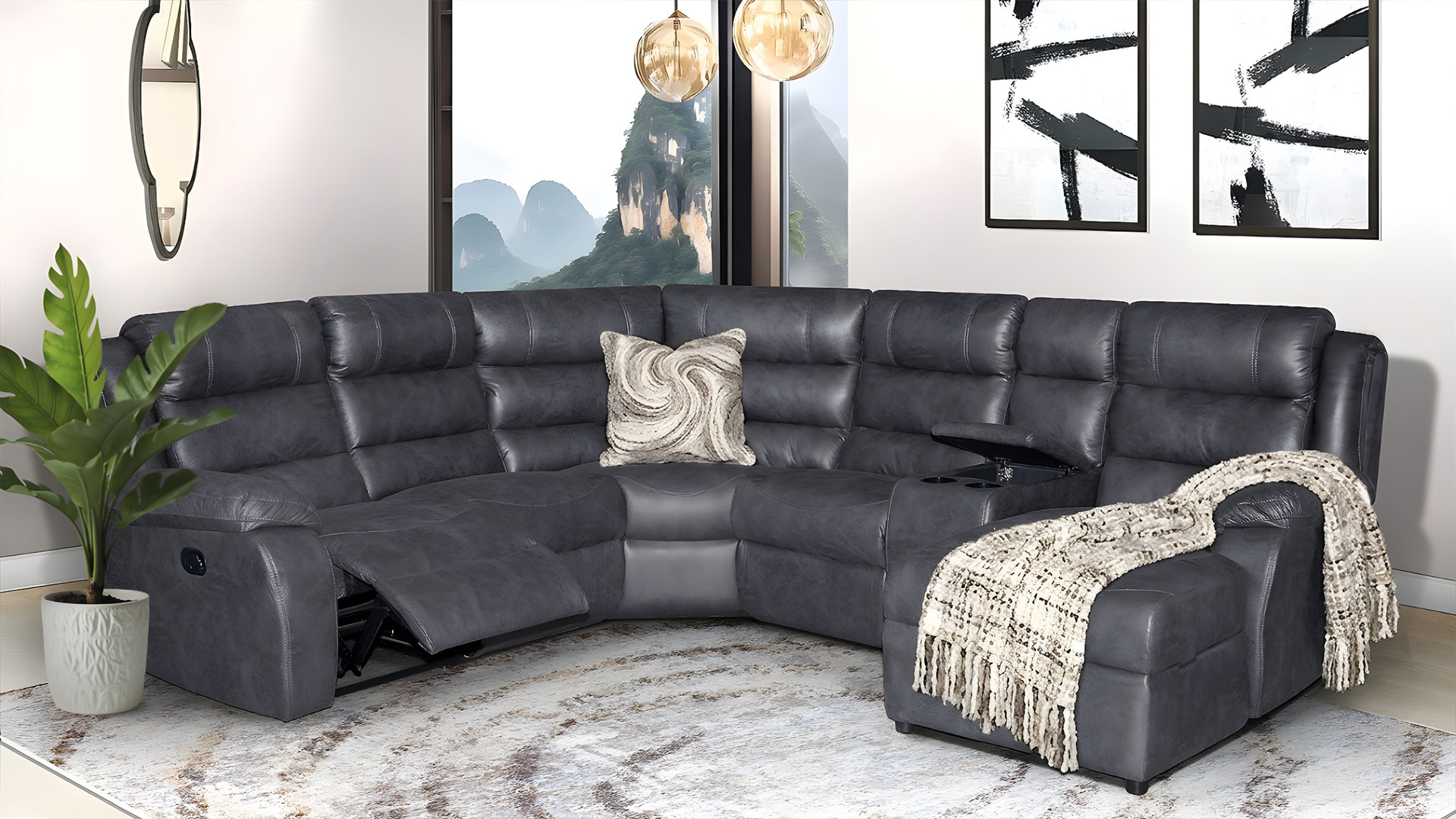
Most people walk into a furniture store, sit down for 30 seconds, decide it feels comfortable, and buy it. That’s how most lounge suites get sold. And it’s also why so many people end up disappointed 18 months later when the cushions are sagging, the arms are wobbling, or the fabric looks like it’s been through three owners already.
Quality in a lounge suite has nothing to do with how it looks on the showroom floor. Any suite can look good under warm lights next to a carefully arranged coffee table. What separates a quality suite from a bad one is what happens over years of daily use. It’s what’s inside, how it was built, and whether the people who made it actually cared about the details most shoppers never see.
Why the Frame Is the Most Important Part Nobody Talks About
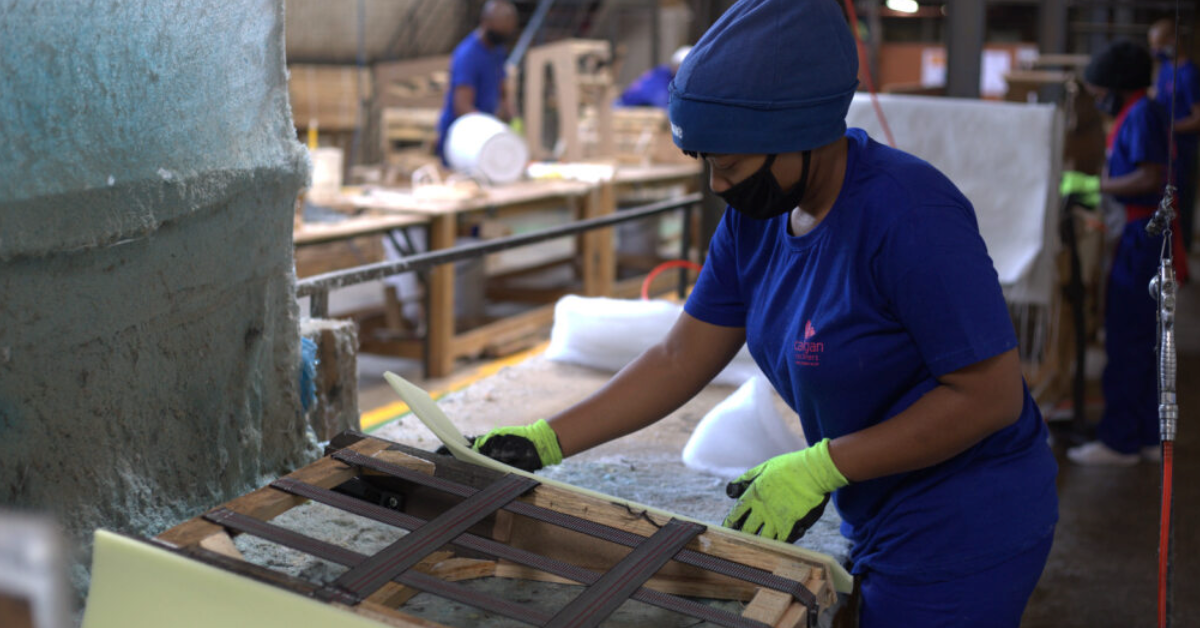
If the frame fails, everything fails. The frame is the skeleton of the entire suite. It determines whether the piece holds its shape over time or starts creaking, rocking, and spreading.
The best frames are made from kiln-dried hardwood. Kiln drying removes moisture from the timber, which prevents the wood from warping, splitting, or shrinking after it’s been built. This matters because a frame that shifts even slightly causes all sorts of problems: the joints loosen, the upholstery pulls unevenly, and the suite starts to feel unstable.
Cheaper suites use green timber, particleboard, MDF, or plastic corner blocks. These materials cut manufacturing costs significantly, but they don’t hold up under regular use. A particleboard frame can snap under pressure. MDF swells when it absorbs moisture. These are not materials built for furniture that gets used every day.
Solid Hardwood vs Engineered Wood vs Metal Frames
Solid hardwood - oak, beech, ash - is the gold standard for lounge suite frames. It’s strong, takes screws and staples well, and holds its structural integrity for decades when properly joined.
Engineered wood products like plywood are a reasonable middle ground. High-quality plywood is layered with the grain running in alternating directions, which gives it decent strength. It’s used in many mid-range suites without causing problems. The issue is when manufacturers use cheap, thin plywood and rely on glue alone to hold joints together.
Metal frames are common in recliner couches and recliner chairs where the mechanism requires a strong base. A well-welded steel frame on a reclining piece is a solid choice. The key word is well-welded, thin welds on low-grade steel will crack under repeated use.
The Fill and Cushioning That Determines Your Comfort
Foam density is measured in kg/m³. This number tells you how much material is packed into each cubic metre of foam. Higher density means more material, which means better support and longer life.
High-Density Foam vs Low-Density Foam
A seat cushion with foam density of 32 kg/m³ or higher is considered good quality for everyday use. Premium pieces use 40 kg/m³ and above. At the budget end, you’ll find suites with 18-22 kg/m³ foam. That foam feels fine for the first few months, then compresses quickly and doesn’t bounce back.
The other measure is ILD (Indentation Load Deflection), which tells you how soft or firm the foam is. Seat cushions typically need an ILD of 35-45 for firm support. Back cushions are usually softer at 20-30 ILD.
Fabric and Upholstery Choices That Actually Matter
The cover is what most people focus on when buying, which makes sense - it’s what you see and touch. But not all fabrics are equal, and not all leather is what it claims to be.
Leather Grades Explained Simply
Leather is graded by how it’s processed and where it comes from on the hide. Full-grain leather is the top layer of the hide with the natural grain intact. It’s the most durable, develops a patina over time, and is the most expensive. Corrected-grain leather has the top surface sanded and embossed with an artificial grain. It’s more uniform in appearance but less breathable and durable than full-grain.
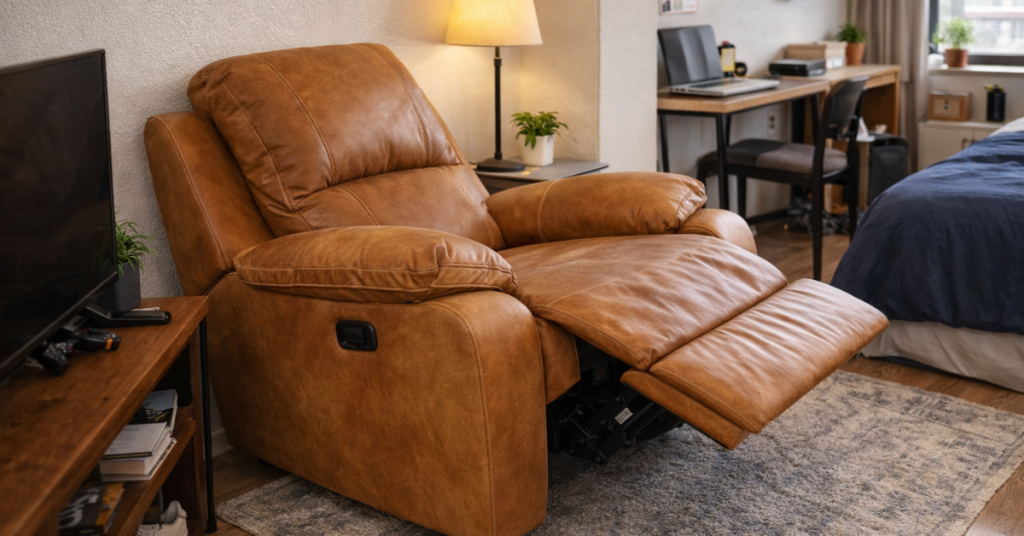
Leather recliners are a popular choice precisely because leather is one of the most durable upholstery materials available. It wears well, cleans easily, and often looks better with age when it’s properly maintained.
Performance Fabrics and When They Make Sense
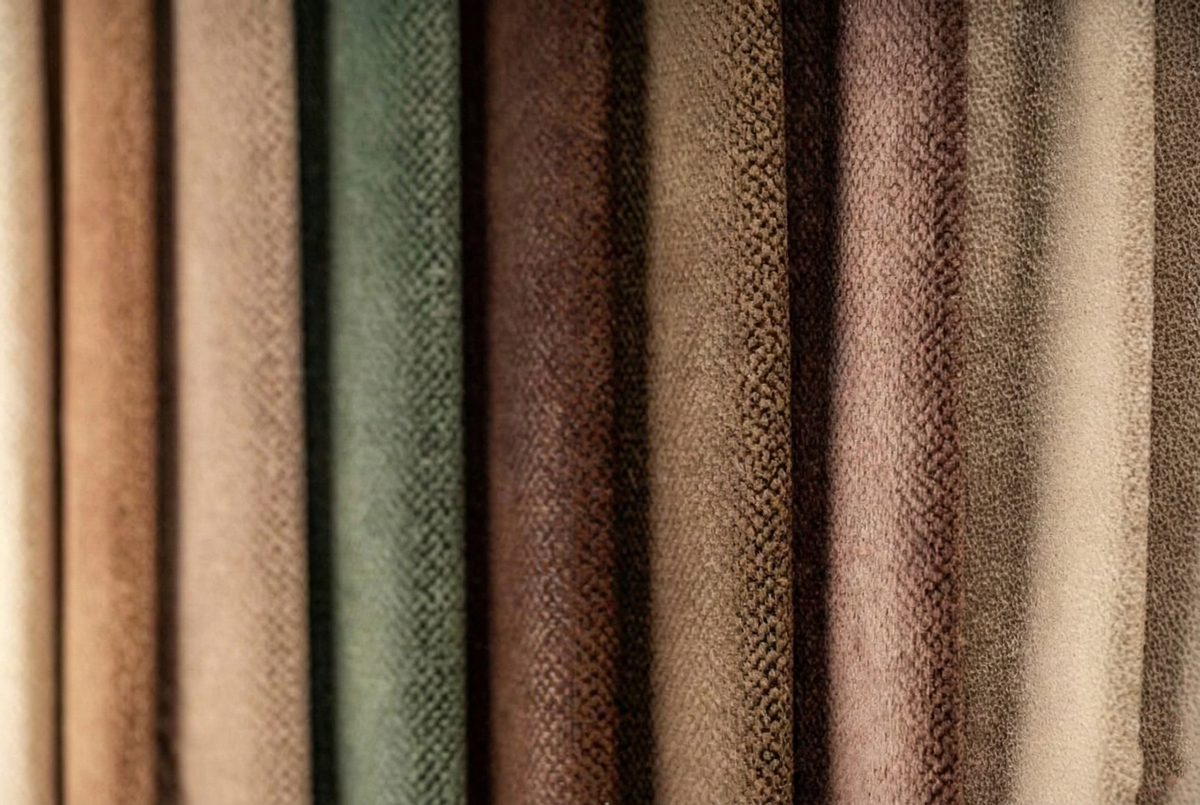
Performance fabrics are engineered to resist staining, moisture, UV fading, and pilling. They’re a practical choice for households with young children or pets. Many look identical to standard decorative fabrics but carry a significantly higher rub count and are easier to clean.
When shopping for recliner sofas, it’s worth asking specifically about the fabric grade, especially if the suite will be used daily.
Recliner Mechanisms and Why They Vary So Much in Quality
This is where things get specific for anyone shopping for recliners for sale. A recliner mechanism is a piece of engineering that will be used thousands of times over the lifespan of the suite. The quality of that mechanism has a direct impact on how long the suite functions properly.
Cheap mechanisms are stamped from thin steel, have minimal tolerance, and wear loose quickly. Premium mechanisms are made from thicker steel, engineered to tighter tolerances, and include proper lubrication points. A good recliner should operate smoothly and silently throughout its intended lifespan with no effort from the user.
What to Look For on Recliner Lounge Suites Specifically
When testing recliner lounge suites, operate the mechanism slowly and pay attention to the sound and feel. There should be no clicking, grinding, or catching at any point through the full range of motion. The mechanism should lock solidly at every position without any sensation of settling or slipping.
Also check where the mechanism attaches to the frame. It should be bolted securely with multiple fixing points. A mechanism held in with minimal screws into thin wood is a warranty claim waiting to happen.
How to Test Quality Before You Buy
Most people spend more time choosing a paint colour for their walls than they do testing the furniture that will be in that room for the next decade. Here’s how to actually test what you’re looking at.
The Sit Test Most People Skip
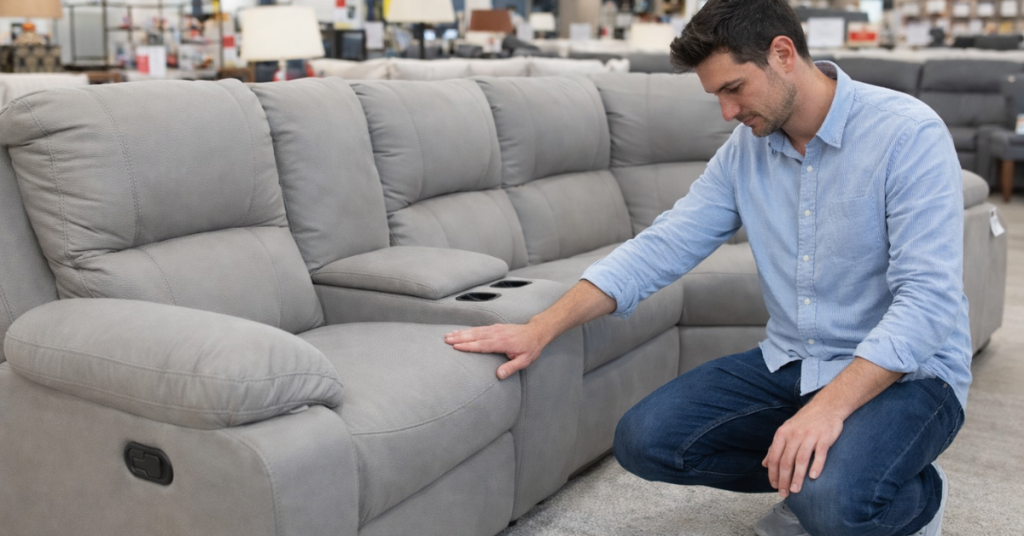
Sit in every position you actually use at home. Lean back. Put your feet up. Sit sideways. Spend at least five minutes in the piece. Showrooms are designed for 30-second interactions - your home is a different story.
When you stand up, look at the cushion. How quickly does it recover? Quality foam recovers quickly. Budget foam stays compressed for several seconds. That slow recovery is the foam telling you it won’t bounce back after a year of regular use.
Price vs Quality: What the Numbers Tell You
Price is not a perfect indicator of quality, but below certain price points, quality becomes physically impossible. The materials and labour required to build a durable lounge suite cost money. There’s a floor below which no manufacturer can produce a genuinely good product and still make a profit.
Why Cheap Suites Cost More in the Long Run
A cheap suite bought twice costs more than a good suite bought once. This isn’t a clever saying - it’s just maths. If you spend R8,000 on a suite that lasts three years before it needs replacing, you’ve spent R2,667 per year. If you spend R18,000 on a suite that lasts fifteen years, you’ve spent R1,200 per year.
The real cost of furniture is the cost per year of useful life, not the sticker price. When you factor in disposal costs, the disruption of replacing furniture, and the reality that replacement pieces rarely match the rest of your room, cheap furniture is expensive.
What a Fair Price Range Looks Like for a Durable Suite
Entry-level quality starts at around R15,000-R20,000 for a three-seater in fabric. At this price point you can expect a solid frame, decent suspension, and reasonable fabric. Mid-range quality sits between R25,000 and R45,000, where you start seeing better foam densities, improved mechanisms, and fabrics with proper Martindale ratings.
Premium suites sit above R50,000 and include full-grain leather, eight-way hand-tied springs, kiln-dried hardwood frames, and mechanisms built for decades of use. Anyone shopping for leather recliners at this level is making an investment in furniture that genuinely lasts. Understanding what goes into a well-made lounge suite changes how you shop. You stop looking at colour first and start asking about frames, foam densities, and warranty terms. The people who build quality furniture want those questions, they’ve got good answers.