Corner Couch vs 3–2–1 Suite: Which One Fits Your Space?
February 10, 2026
Picking the right lounge suite is a big decision. It changes the way a room looks, how people sit, and…
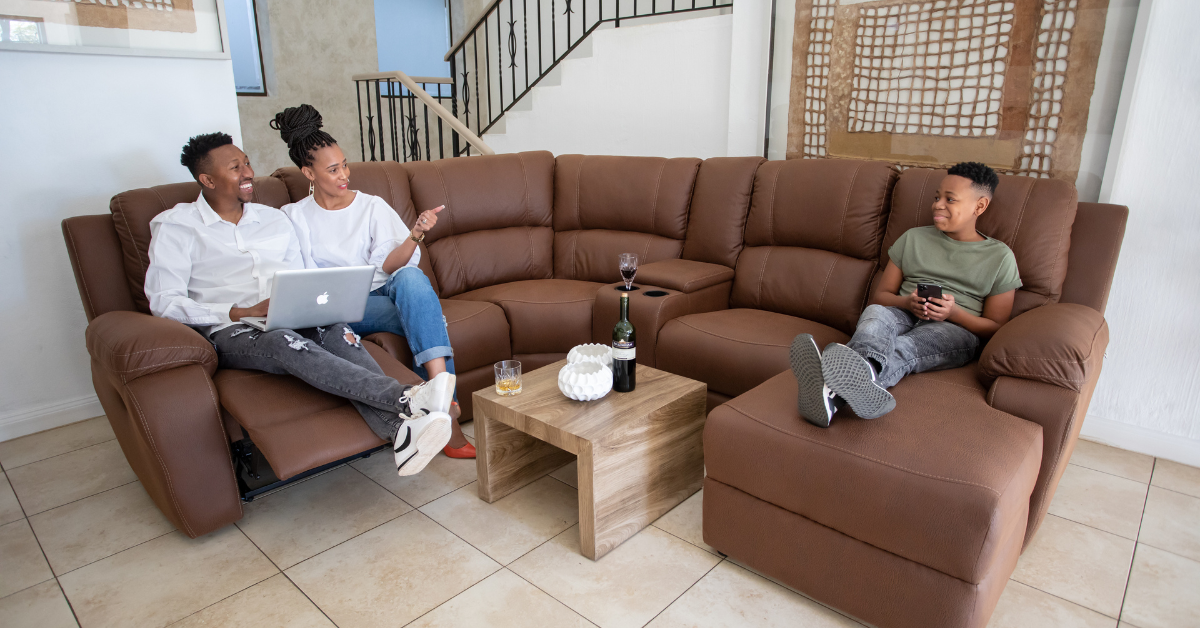

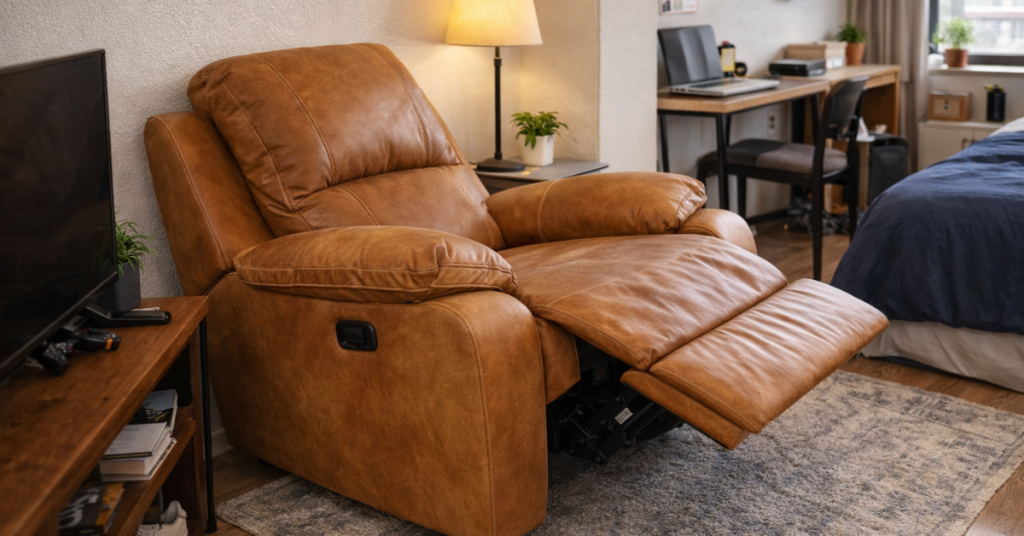
Reclining furniture has come a long way from its early beginnings. Initially bulky and designed more for visual grandeur than practical use, recliners were once reserved for cinema halls and luxury lounges. Today, however, the recliner has become a versatile and essential household item. Whether it’s for supporting older individuals with mobility issues, assisting those recovering from injury, or simply providing a haven of comfort after a long day, reclining chairs are now designed to fit seamlessly into modern living spaces.
One of the most notable changes has been the shift in focus from appearance to purpose. Recliners are no longer oversized statement pieces, they’re compact, ergonomic, and often multi-functional. Adjustable features have become standard, and a range of configurations are available to suit different needs. From power lift mechanisms to zero-gravity inclines, modern recliner chairs reflect a deep understanding of real-life needs, not just aesthetic preferences.
Body mechanics are at the heart of every high-quality recliner. The human body isn’t meant to sit rigidly for hours on end, and yet that’s exactly what modern lifestyles demand. Recliners address this mismatch by offering seating that supports the spine’s natural curve and reduces muscle strain. When used properly, they create a posture that encourages healthy circulation, allows muscles to relax, and takes pressure off the joints.
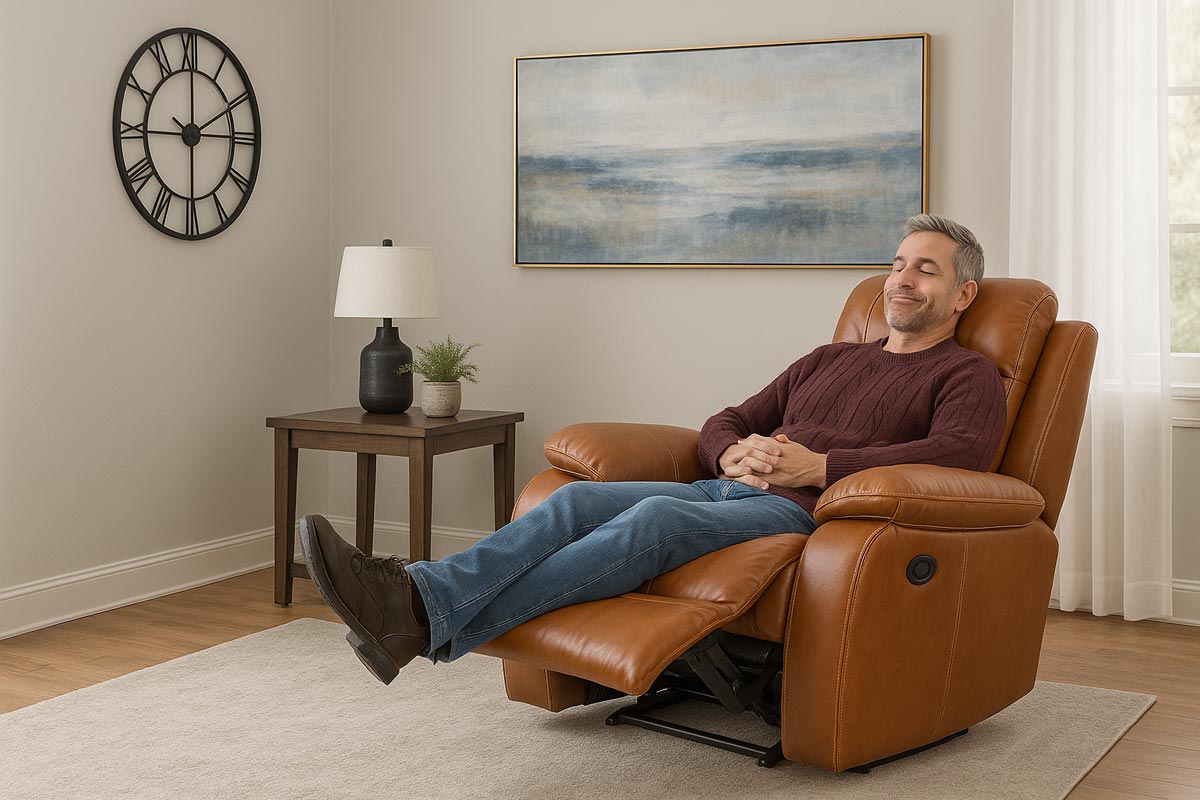
In a reclined position, your body shifts out of stress mode. Weight is redistributed from the hips and spine to a broader surface area, easing tension in the lower back and shoulders. Importantly, leg elevation helps improve venous return, reducing swelling and the feeling of heavy limbs. These physical shifts might seem minor, but over time they help mitigate chronic conditions like sciatica, back pain, and fatigue. A good recliner doesn’t just feel comfortable, it helps your body function better, day after day.
Joint discomfort is a common issue, especially for older adults or people with physically demanding routines. Traditional seating offers little relief, often forcing the body into upright positions that place excess pressure on the knees, hips, and spine. Reclining furniture addresses this by allowing you to shift into positions that naturally offload weight from these high-impact zones.
This is particularly important when managing degenerative conditions like osteoarthritis or herniated discs. By reclining and elevating the legs, the body can relax without needing muscular engagement to stay upright. This means less strain on inflamed joints, faster recovery after exertion, and improved flexibility over time. Recliner couches are especially useful for those who struggle to get comfortable on traditional furniture. The additional leg and back support allows for longer periods of rest, without the constant need to readjust due to discomfort.
You don’t always need intensive therapy sessions to give your body a chance to heal. Sometimes, all it takes is stillness and support. Recliners offer a type of passive therapy that requires no effort from the user but still delivers tangible benefits. By gently tilting backwards and lifting the legs, the chair creates a supportive environment where muscles loosen, joints decompress, and the nervous system calms.
This makes recliners ideal for those recovering from surgery, managing chronic pain, or simply feeling the wear and tear of daily life. A reclined position reduces physical resistance in the body and gives the parasympathetic nervous system room to take over, this is the part of the brain responsible for rest and recovery. Spending 20-30 minutes a day in a well-designed recliner can function as a form of micro-therapy, especially when paired with light breathing exercises or mindfulness practices.
Physical rest naturally feeds into mental wellbeing. As soon as the body feels safe and supported, the brain begins to relax. Stress hormones drop, breathing slows, and the mind becomes clearer. This shift from fight-or-flight into rest-and-digest mode is crucial for maintaining emotional balance, especially in fast-paced or overstimulated environments.
Having a designated place to unwind, reflect, or nap can dramatically change your day. Recliners offer this safe space by allowing you to fully disengage without needing to lie down completely. Whether you’re decompressing after a long day or carving out quiet time in the middle of a busy one, the reclined posture sends a strong signal to your brain: it’s time to let go. Many people find that using a recliner improves sleep quality at night because the body is already conditioned to relax deeply when in that position.

There’s a stubborn belief that comfort is a luxury, something nice to have, but not truly necessary. In reality, comfort is foundational to wellbeing. When your body is supported, everything improves: your mood, your focus, your energy levels. Discomfort, on the other hand, leads to stress, poor posture, irritability, and even injury. This is why comfort should be non-negotiable, especially in the home.
Recliner couches aren’t simply designed for lounging. They’re built to support everyday wellness. Whether you’re dealing with stress from work, sore muscles from exercise, or stiffness from ageing, having a chair that adapts to your body’s needs makes a difference. Comfort means efficiency, recovery, and a better quality of life. And once experienced consistently, it becomes clear that it’s not a luxury, it’s a lifestyle standard.
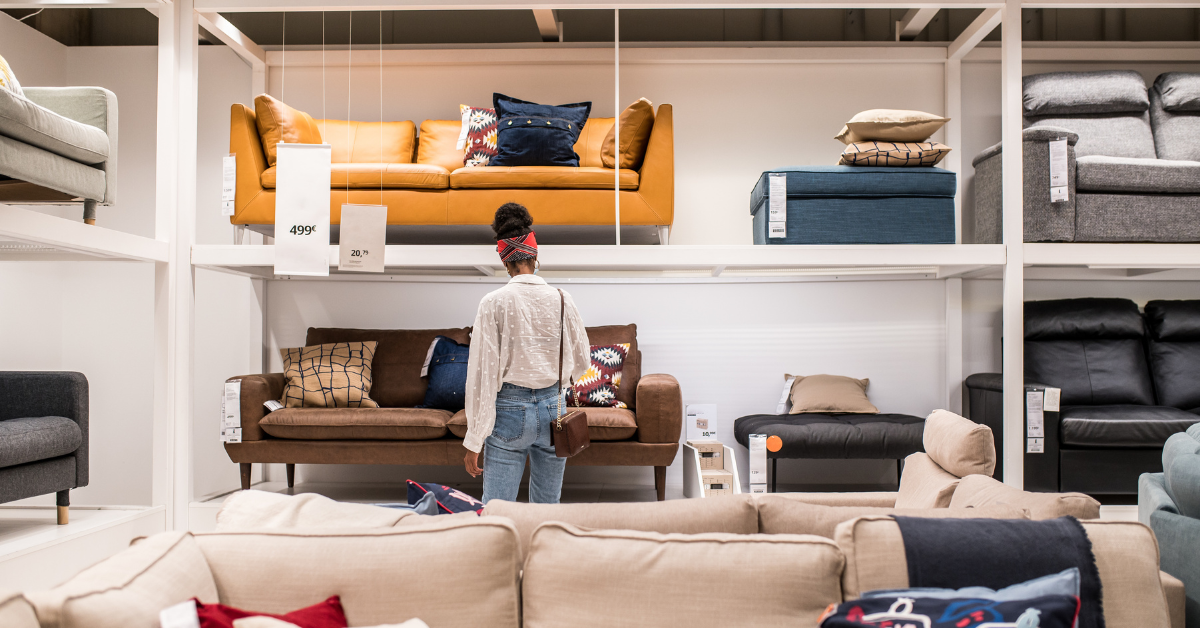
Every person has different needs, which is why the right recliner is the one that fits into your life, not the showroom. Before purchasing, think about how you plan to use it. Is it for short daily rests, or will it become your go-to relaxation spot for evenings and weekends? Will multiple people share it? Do you need features like power adjustment, built-in USB ports, or swivel bases?
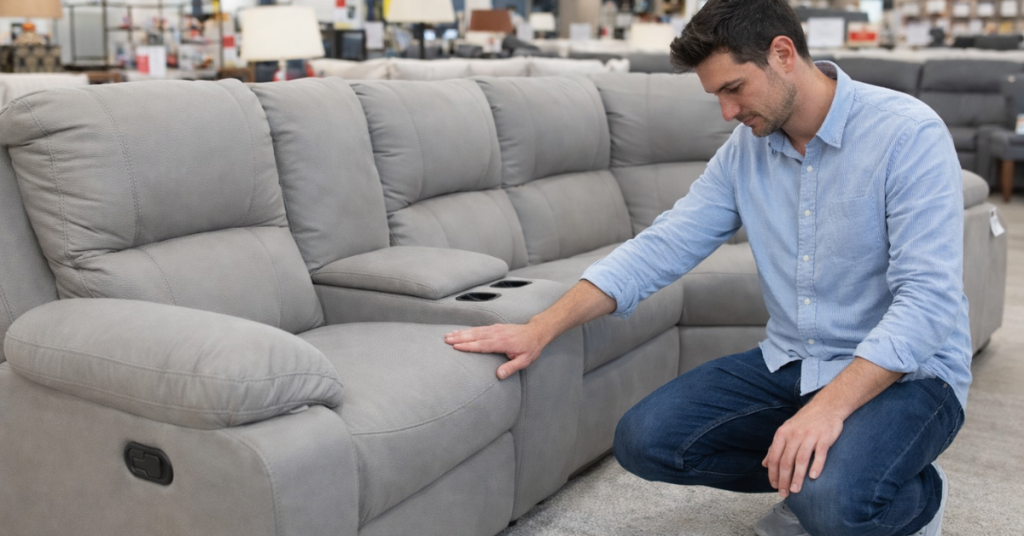
Understanding your space constraints is also key. While some prefer a standalone chair, others benefit from a sectional arrangement that accommodates guests and family members. Look for high-quality padding, a strong internal frame, and a mechanism that glides smoothly. A thoughtfully chosen model is more likely to integrate into your routines, making it something you’ll use daily, not just occasionally. The best leather recliner is the one you don’t want to leave.
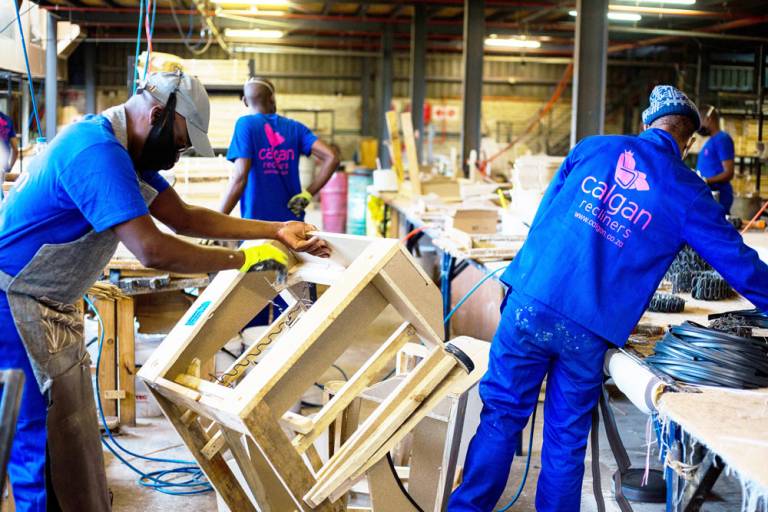
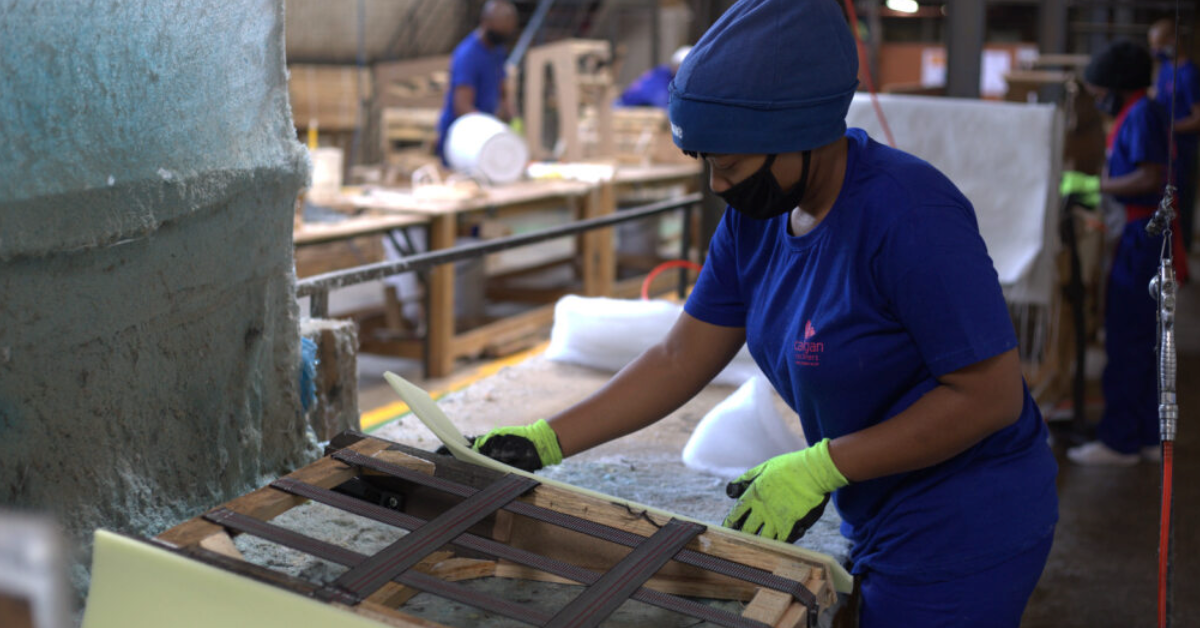
No matter how functional a recliner is, comfort depends largely on materials. Poor-quality padding flattens over time, low-cost fabrics wear quickly, and weak frames can creak or tilt unevenly. High-density foam, strong steel or hardwood frames, and premium upholstery make a world of difference. These materials not only ensure long-term durability but also preserve the quality of your comfort.
Upholstery, in particular, influences your tactile experience and overall satisfaction. Leather recliners remain a popular choice because they’re breathable, age gracefully, and are easy to clean. They resist spills, dust, and pet hair, making them ideal for family homes or high-use areas. Beyond practicality, leather adds a refined texture that elevates the visual presence of the chair, making it both a functional and stylish addition to any room.
Recliners are now built with individual differences in mind. Ergonomic adjustments allow users to personalise their seating experience, from lumbar tension control to armrest height. Some models even offer memory settings that remember your ideal position. These customisable features are particularly valuable for those with back issues or postural challenges, where millimetres make a difference.
Built-in lumbar support, adjustable headrests, and independently moving footrests offer fine control over how your body rests. You can shift positions throughout the day to avoid stiffness, alternate between active sitting and full recline, or tweak the setup to accommodate specific health conditions. Today’s best recliners don’t make you adapt to them, they adapt to you. The more tailored the seating experience, the more benefit you’ll get from using it regularly.
The way we design our homes is changing. It’s no longer just about looks, it’s about how a space makes us feel. More people are now building wellness into their interiors: quiet corners, soft lighting, open space, and yes, comfortable seating. Recliners fit naturally into this new wave of interior thinking by offering something most furniture does not, support that encourages both relaxation and recovery.
A well-placed recliner can turn any living room into a personal wellness zone. It becomes the place where you rest after work, take your morning coffee, or reset between tasks. It tells your body that it’s safe, supported, and free to let go. In that way, it becomes more than furniture, it becomes part of your self-care routine.