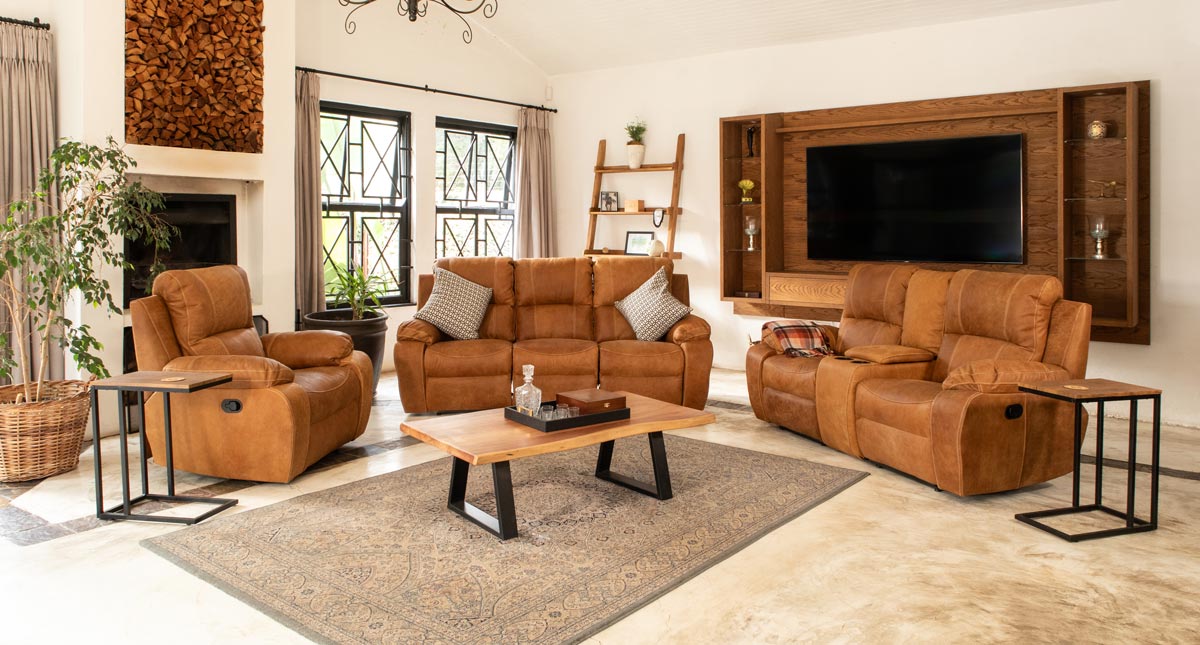
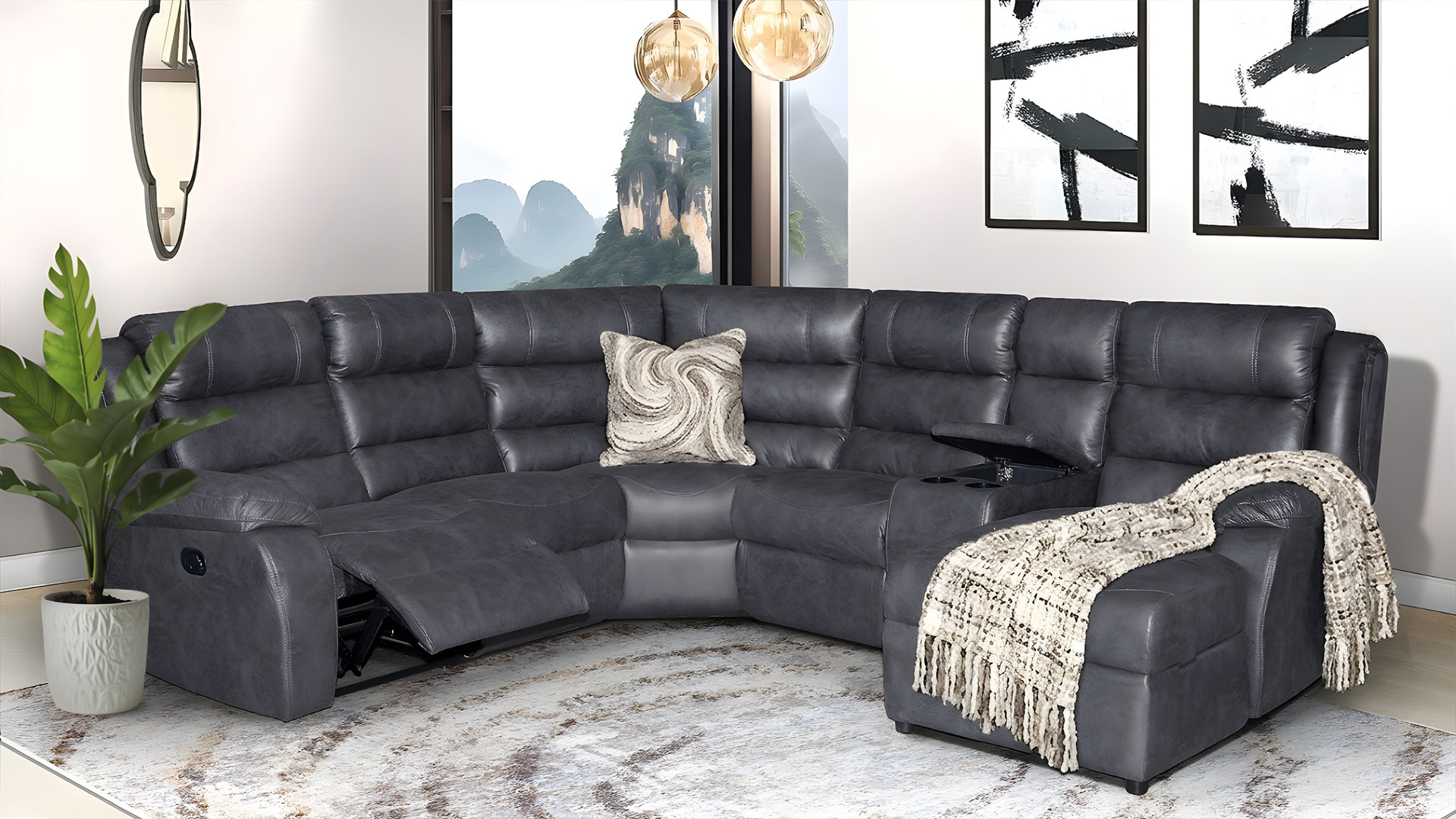
There’s a moment when a raw pile of timber, foam, springs, and fabric becomes a lounge suite that’s going to sit in someone’s living room for the next fifteen years. Most people never think about that process. But understanding it completely changes how you evaluate what you’re buying.
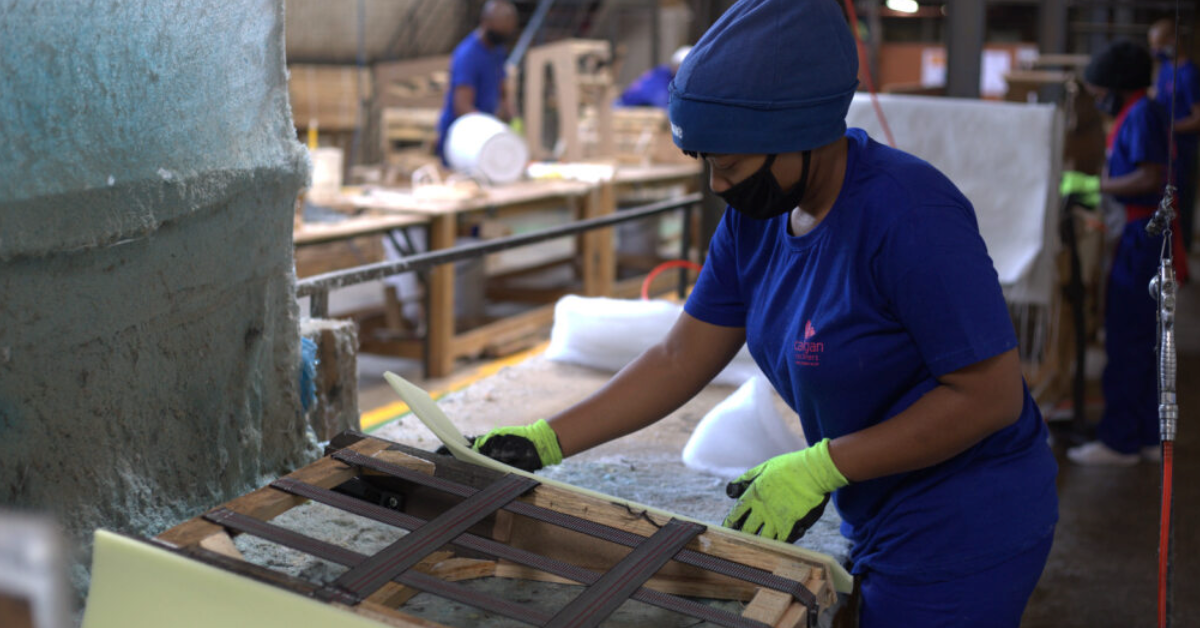
Every decision made on the factory floor shows up in the finished product. The quality of timber used, how joints are cut, how foam is layered, how carefully the upholstery is pulled and stitched - all of it translates directly into how the piece looks, feels, and holds up over time. This isn’t theoretical. You can feel the difference in the showroom if you know what to look for, and you’ll definitely feel it two years from now.
Where the Process Starts: Sourcing Raw Materials
Before a single piece of furniture is built, decisions are made about materials. These decisions set a ceiling on quality that nothing downstream can improve. A well-built frame made from poor timber is still a poor frame. Quality starts with what goes into the factory.
Timber Selection and Drying
Hardwood destined for furniture frames goes through a drying process before it can be used. This is not optional, it’s what makes the difference between a frame that holds its shape and one that warps, cracks, or loosens its joints over time.
Kiln drying is the standard method in quality manufacturing. Timber is placed in a controlled environment where temperature and humidity are managed precisely to bring moisture content down to between 6% and 8%. At this moisture level, the wood is dimensionally stable, it won’t expand or contract significantly when it moves from the factory to your home.
Air-dried timber takes longer and requires more space, but can produce excellent results. What’s never acceptable is green timber, freshly cut wood that hasn’t been properly dried. Green timber used in frames will move as it dries in your home, loosening joints and causing structural problems within months.
Installing Sinuous Springs
Sinuous springs - the S-shaped steel springs that run front-to-back across the seat - are attached to the frame with steel clips that secure each end. Proper installation requires consistent spring tension across the width of the seat, with even spacing between springs. The springs are then cross-tied with strong twine to stop them shifting sideways under load.
The gauge of the spring matters. Heavier gauge steel springs provide better support and last longer. Lighter gauge springs may be adequate initially but compress and lose their resilience faster. When you sit on a suite and notice the seat feels uneven from side to side, that’s usually a spring installation problem
Upholstering: The Skill That Makes or Breaks the Piece
Upholstering is where the furniture becomes what you actually see and touch. It’s a skilled trade, and the difference between good and average upholstery work is immediately visible to anyone who knows what to look at.
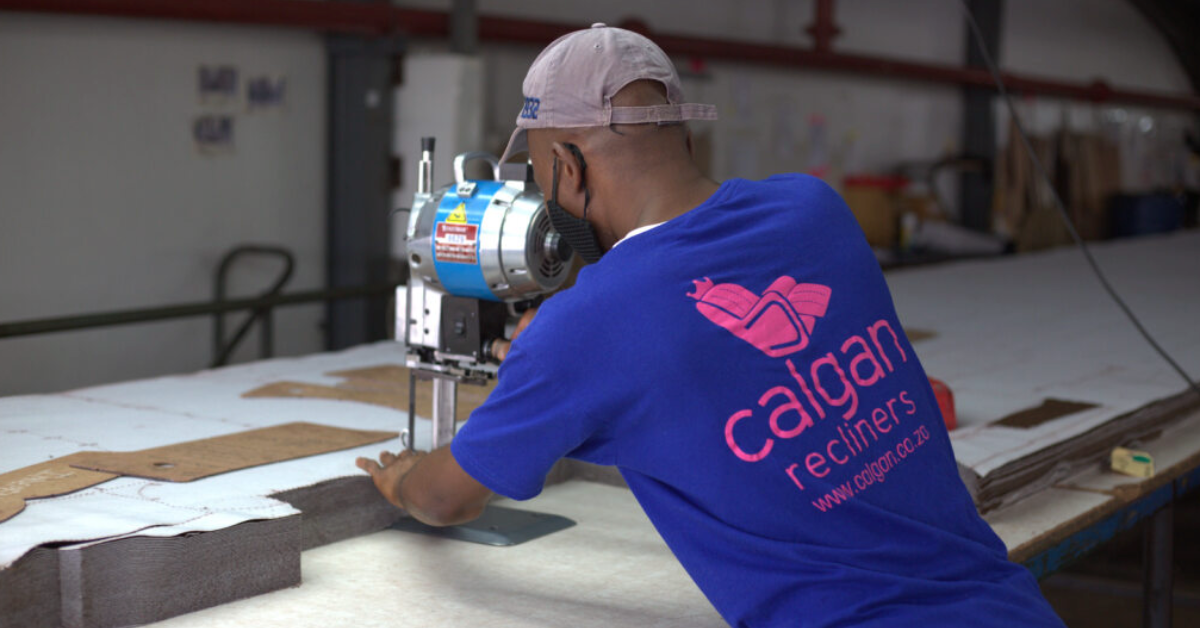
Cutting Fabric Patterns
Fabric is cut using patterns designed to minimise waste while keeping grain direction and any pattern repeats correctly aligned. On a patterned fabric, matching patterns across pieces - the back panel to the arm panel, the seat to the front skirt - requires careful planning and precise cutting. Poor pattern matching is a hallmark of budget upholstery work.
Leather cutting requires additional care. The upholsterer has to work around any natural defects in the hide, keep grain direction consistent across the piece, and plan the layout to make the most of the available hide.
The Extra Attention That Goes Into Leather Recliners and Recliner Chairs
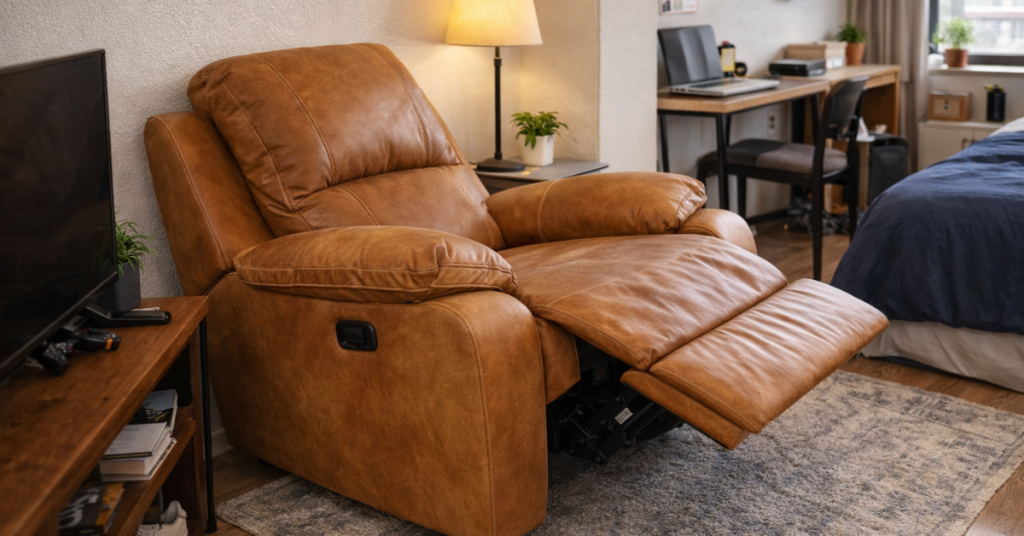
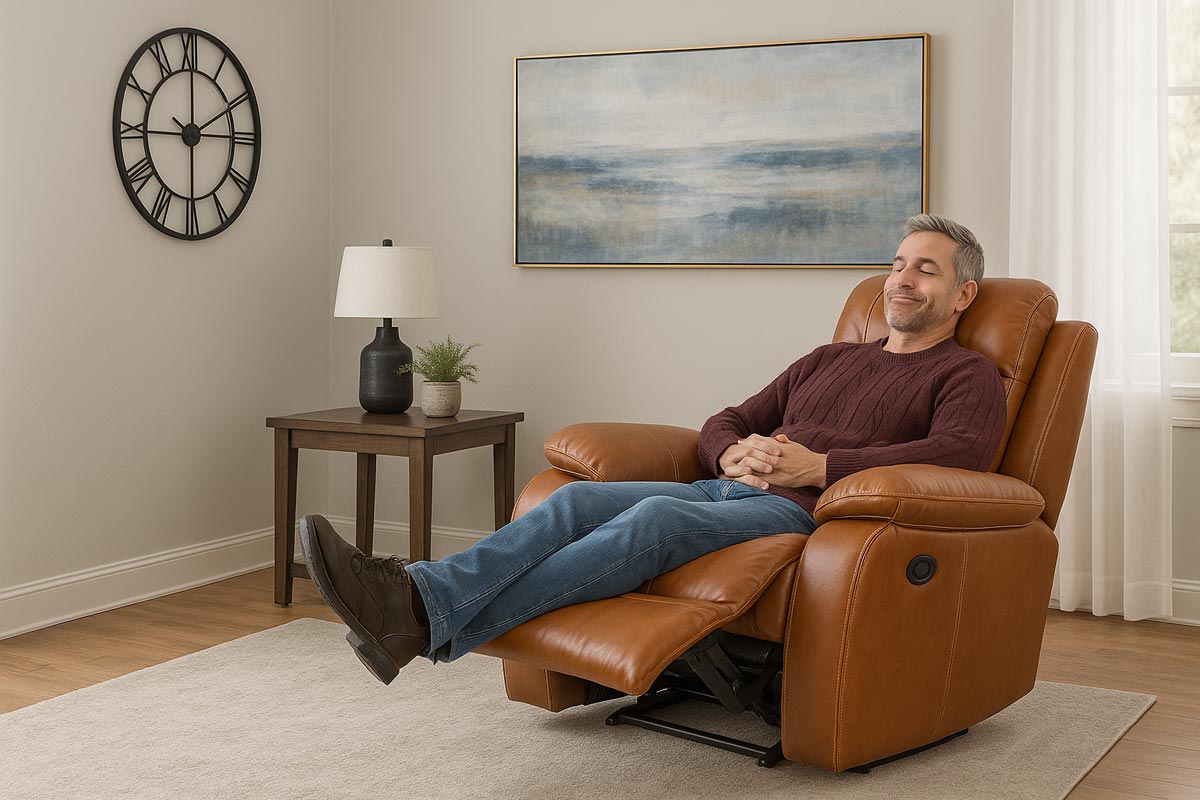
Leather recliners and recliner chairs require upholstery work that accommodates movement. The leather or fabric cover has to allow the frame to move through its full range of motion without binding, pulling, or creasing excessively.
This means the upholsterer has to plan seam placement carefully so that seams don’t land at flex points, and leave enough material in moving sections to allow full articulation without placing the cover under stress. This is more demanding than upholstering a static piece, and it’s why well-made recliners cost more than their non-reclining equivalents.
Installing Recliner Mechanisms
For any reclining piece, the mechanism installation is a critical step that determines how the suite performs for the life of the product.
How a Recliner Mechanism Works
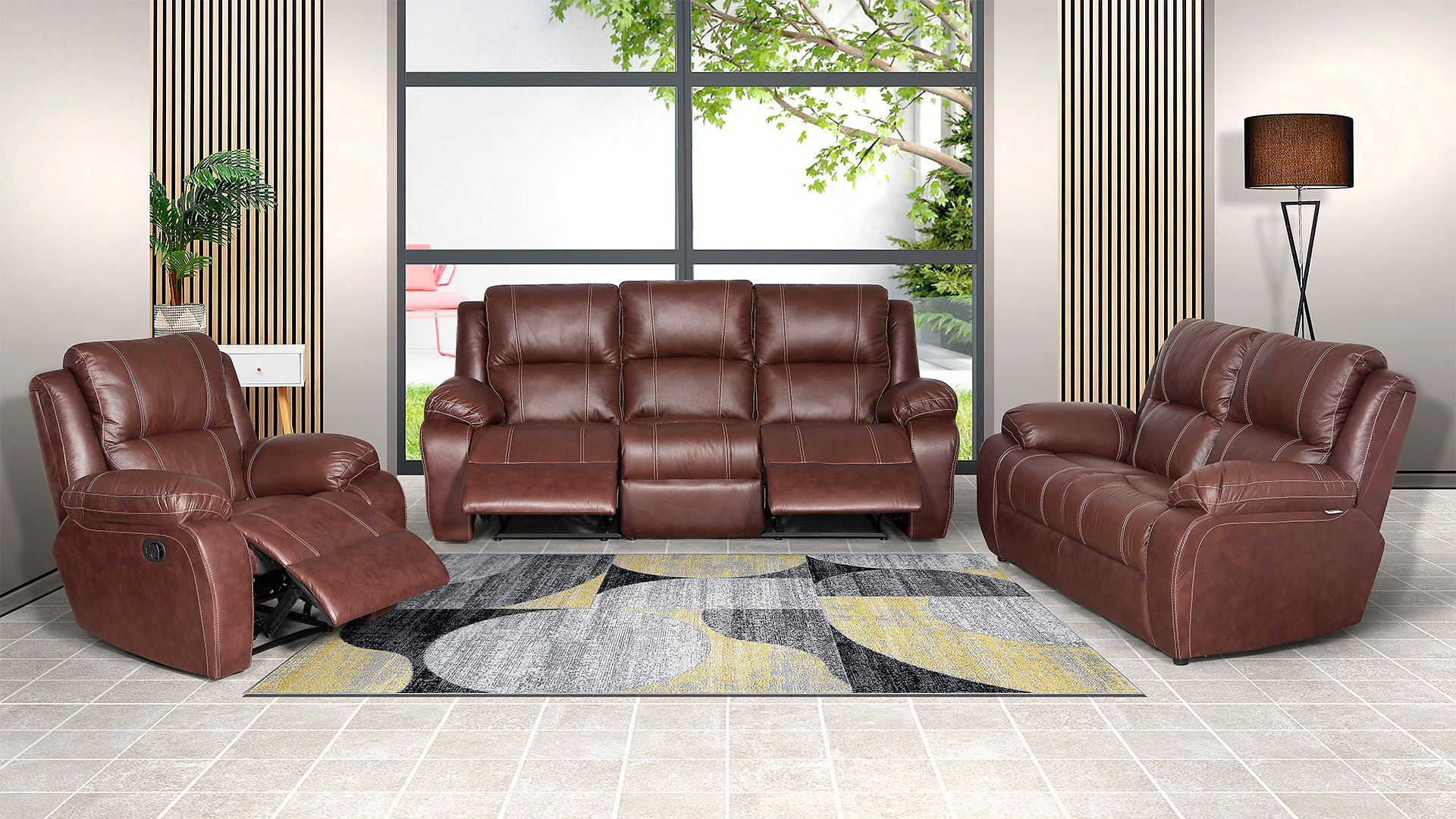
A recliner mechanism is a mechanical linkage that connects the seat base to the footrest and back. When the user engages the release - either a handle or a button on a power recliner - the mechanism allows the back to recline while the footrest extends. The two movements are linked so they work as a single action.
The mechanism mounts to the frame and carries the full weight of the user through the range of motion. This means every pivot point, every linkage, and every connection point needs to be strong enough to handle repeated loading without wearing loose.
Manual vs Power Mechanisms in Recliners and Recliner Couches
Manual mechanisms are operated by a side handle or a push-back action. They’re mechanically simple, which makes them reliable and easy to maintain. The quality difference between manual mechanisms comes down to the thickness and grade of the steel used and the precision of the pivot points.
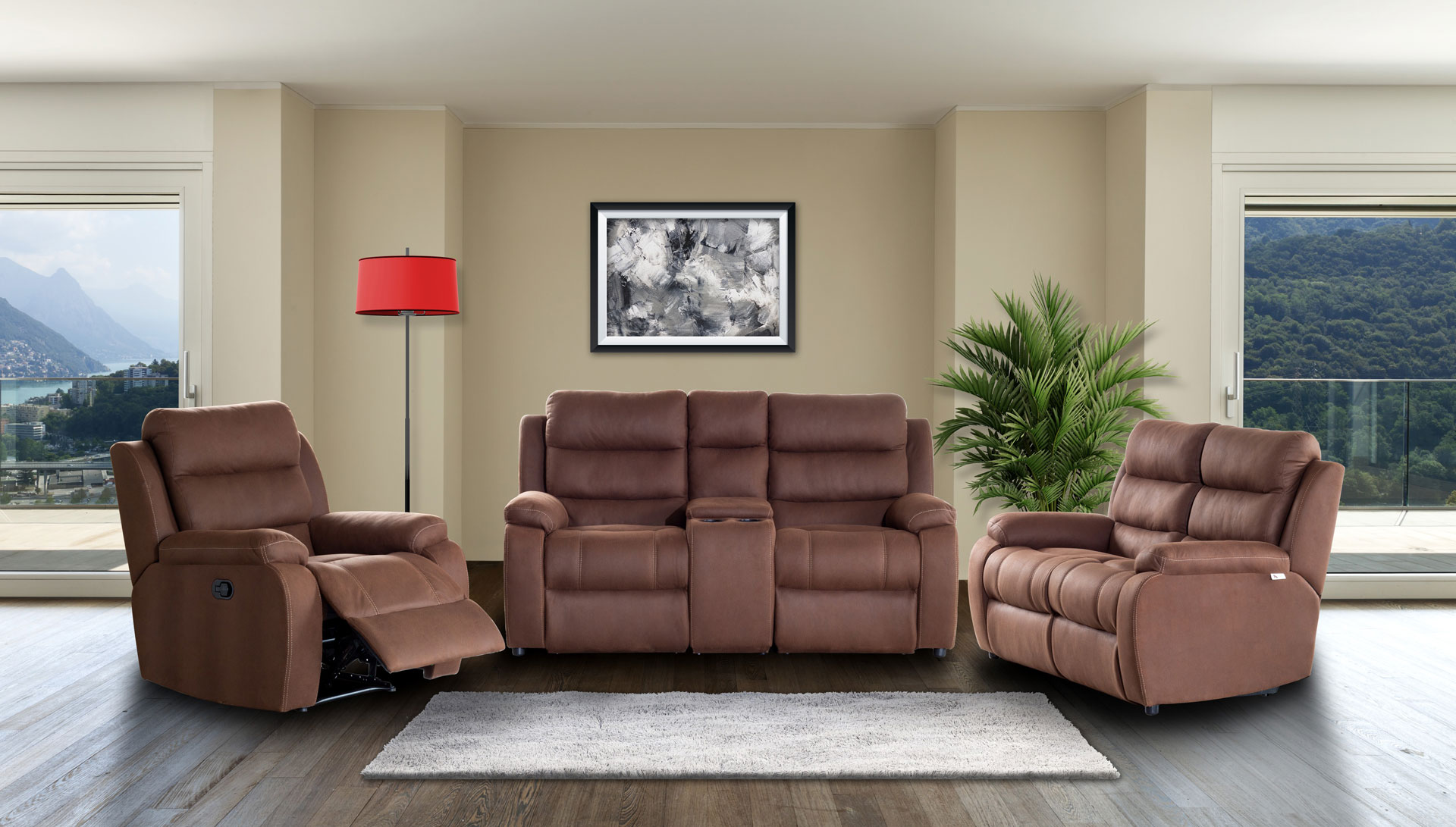
Power mechanisms add an electric motor to the system. A two seater recliner sofa with power mechanisms typically has independent motors for each seat, allowing each occupant to adjust independently. The motor drives the linkage smoothly and quietly. Quality power mechanisms use motors rated for long service lives and include limit switches that prevent the mechanism from being driven beyond its intended range.
Recliner couches with power mechanisms are worth the additional cost for anyone who values smooth, effortless operation. The difference between a budget power mechanism and a quality one is most apparent after two to three years of daily use, the budget mechanism will start showing wear while the quality one continues operating as new.
Testing the Mechanism Before the Suite Ships
A quality manufacturer cycles every reclining piece through its full range of motion before it leaves the factory. This isn’t about checking it works once, it’s about checking it works correctly through multiple cycles, loading it under simulated use, and checking that every position locks and releases correctly.
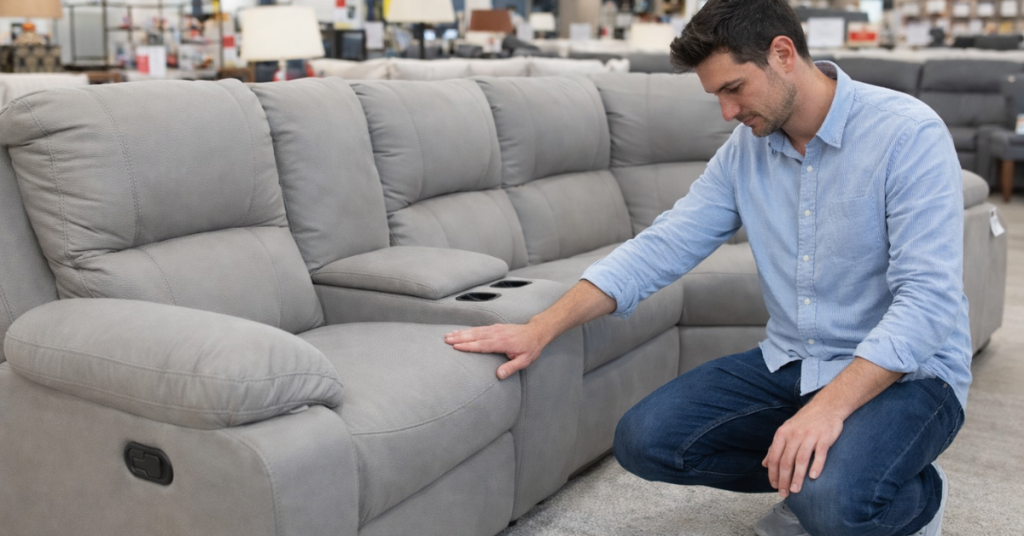
If you’re looking to buy recliners and you’re visiting a showroom, operate the mechanism yourself. Slowly. Through the full range. Listen for any sound. Feel for any catch or hesitation. That mechanism is going to be used thousands of times, it needs to feel right from the start.
Final Quality Checks Before Delivery
A finished suite goes through a final inspection before it’s packed for delivery. This is the last opportunity to catch anything that wasn’t picked up at earlier stages.
Visual Inspection
The inspector checks every visible surface for fabric alignment, seam quality, pattern matching, and any surface defects. They check that all details - piping, trim, welt cord - are neatly executed and consistently positioned. They check that legs are properly attached, that the suite sits level, and that all cushions are the correct size and shape.
What Gets a Suite Rejected at Final Stage
Common rejection reasons include: upholstery tension issues, seam failures, mechanism issues, dimensional problems, and surface defects in fabric or leather. A suite that fails inspection gets sent back for rework. In a quality operation, this happens before the product leaves the building.
What the Manufacturing Process Tells You About the Product You’re Buying
Understanding how a lounge suite is made gives you a completely different way of evaluating what you’re looking at in a showroom. You’re not just looking at fabric and colour anymore, you’re thinking about what’s inside.
Questions to Ask Any Manufacturer or Stocklist
Ask about the frame: what timber is used and how was it dried? Ask about the suspension: sinuous springs or eight-way hand-tied? Ask about the foam: what density is used in the seat cushions? Ask about the fabric: what’s the Martindale rub count? Ask about the mechanism: what’s the mechanism rating and what warranty covers it?
If you’re looking at recliners for sale or comparing recliner couches for sale, these questions separate the salespeople who know their product from those who don’t. A sales consultant who can answer these questions confidently is representing a manufacturer who knows what they’ve built. The manufacturing process from frame to final stitch is a sequence of decisions. Good decisions made consistently produce furniture that lasts. Now you know what questions to ask.