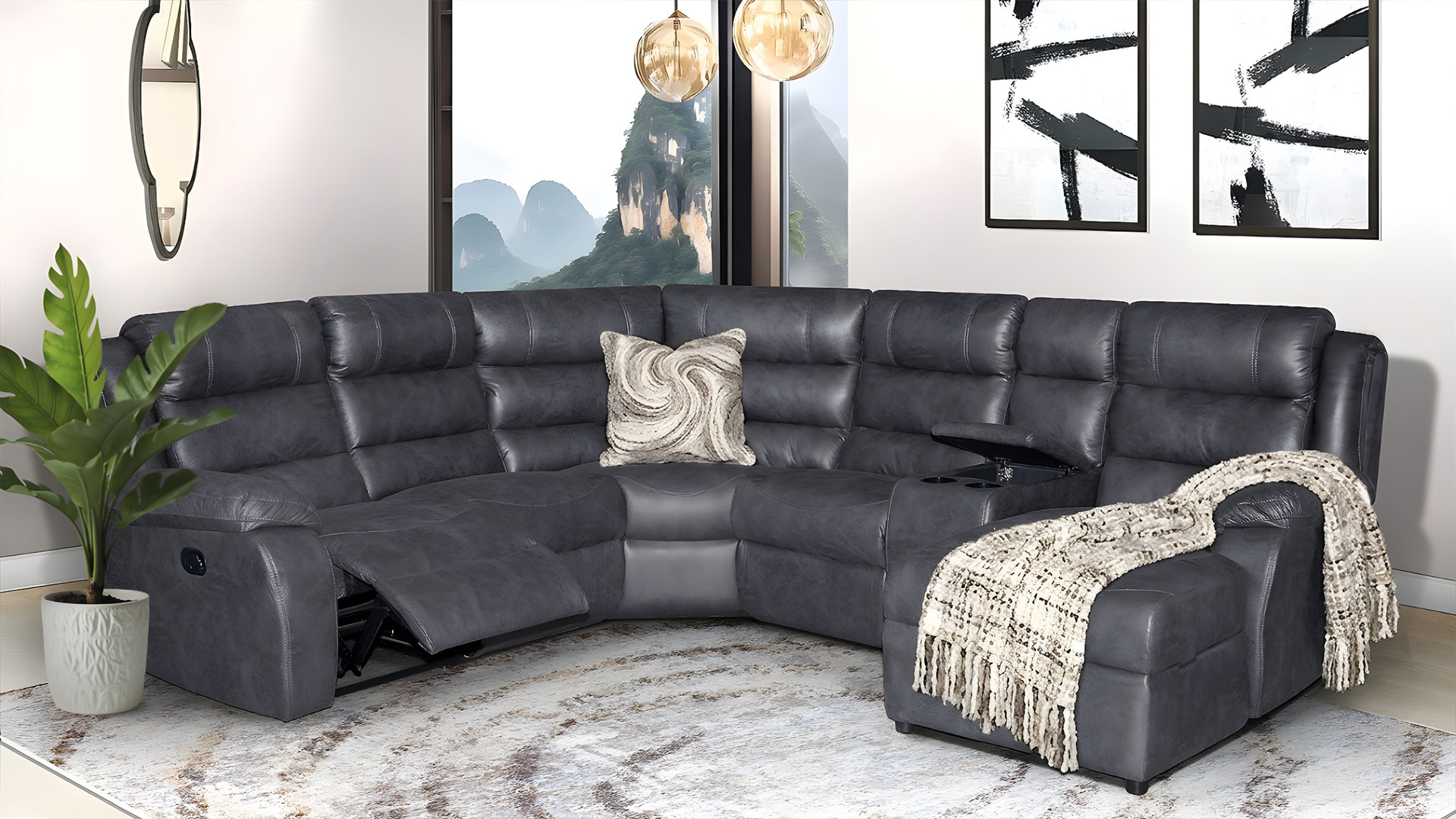
Buying a lounge suite is one of those purchases that sticks with you for years. Get it right, and the living room becomes the most comfortable spot in the house. Get it wrong, and you are stuck with something that does not fit, wears out fast, or just does not feel right. Here are five things worth checking before handing over your money.
1. Measure the Room First
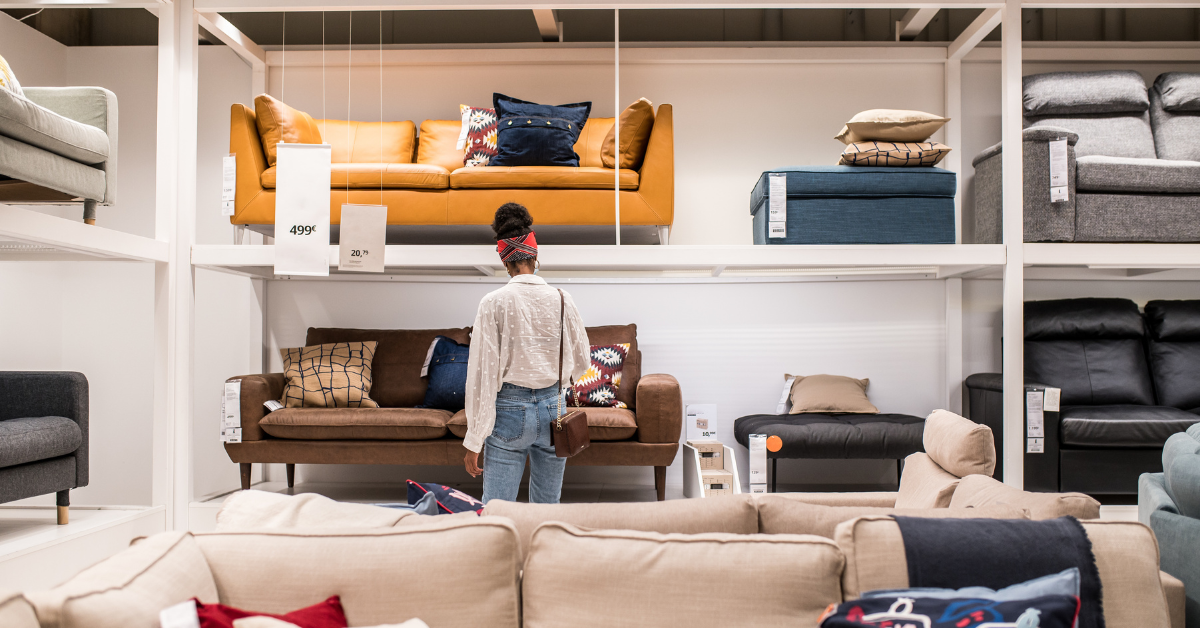
This sounds obvious, but it is the number one mistake people make. A lounge suite that looks great in a big showroom can completely overpower a small living room. And the other way around, a small two-piece set in a large room can look lost and out of place.
Before going to any store, grab a tape measure. Write down the length and width of the room. Measure the doorways, hallways, and any tight corners the furniture needs to pass through during delivery. Draw a rough floor plan if it helps.
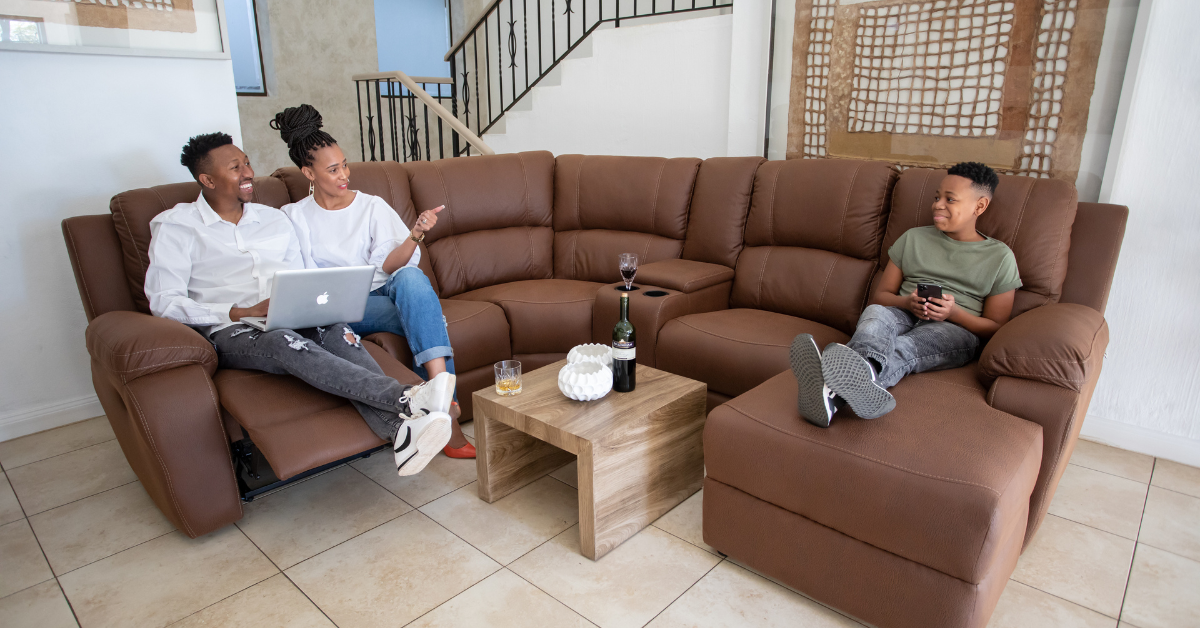
Pay attention to where the TV is, where the windows are, and how people walk through the room. The suite should not block pathways or crowd the space around coffee tables and side units. Leave at least 60 to 90 centimetres of walking space around the furniture.
2. Check the Frame and Build Quality
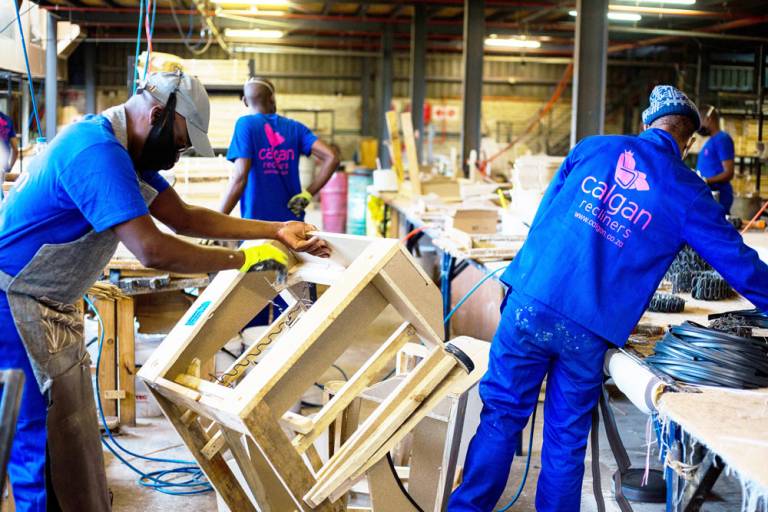
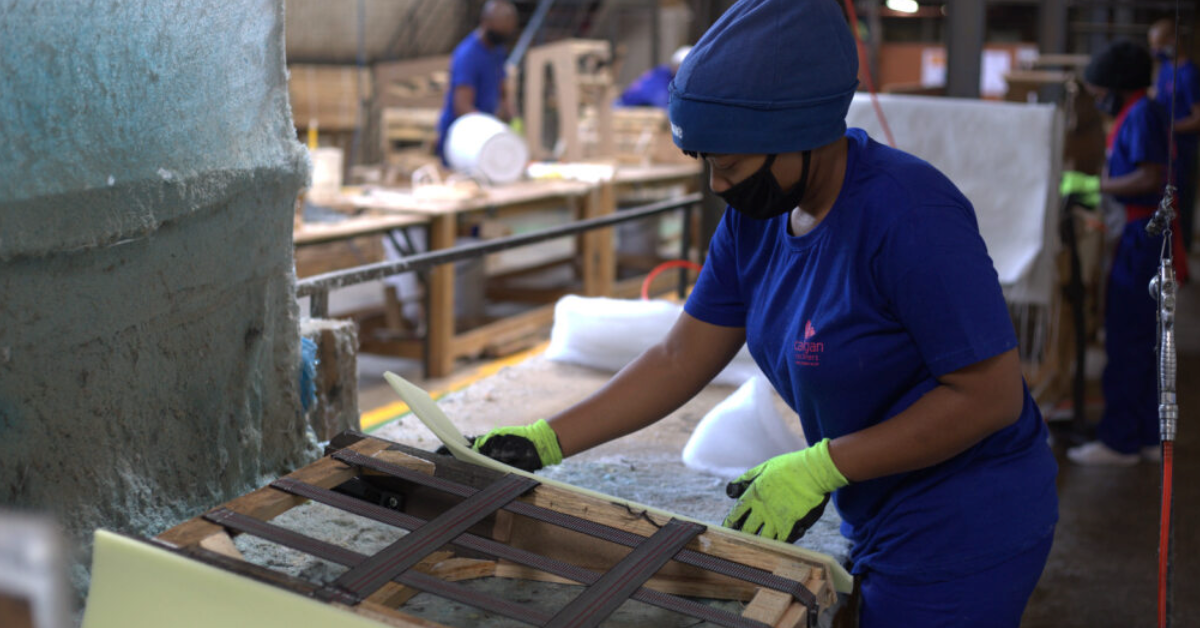
The frame is the backbone of any lounge suite. A low-quality frame means sagging seats and broken joints within a year or two. Look for solid hardwood frames - kiln-dried wood is best since it resists warping and cracking over time.
Avoid frames made entirely from softwood, particleboard, or stapled joints. These cut costs but do not hold up to daily use, especially in a busy household with kids or pets. If the sales person cannot tell you what the frame is made of, that is usually not a good sign.
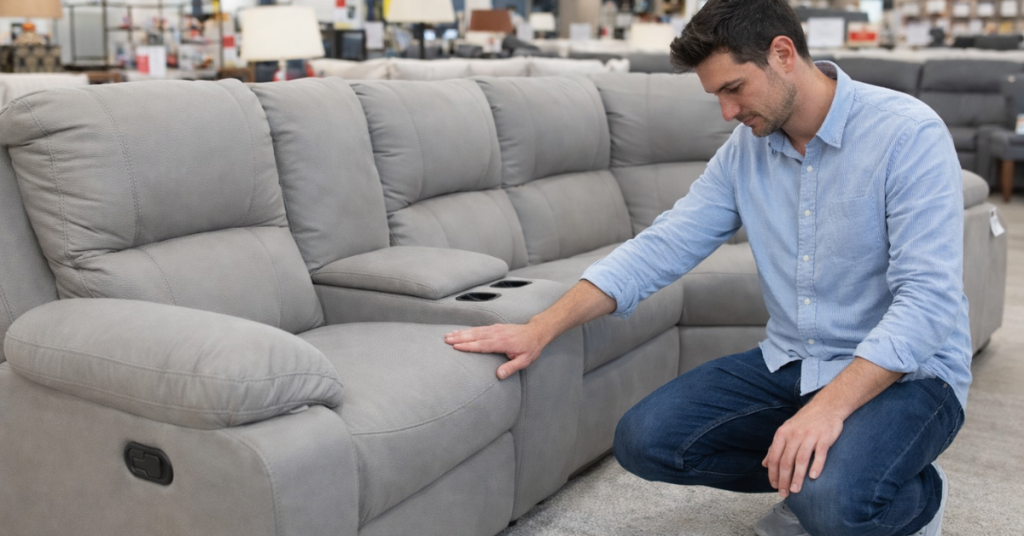
Give the frame a quick test in the store. Lift one front corner of the sofa about 15 centimetres off the ground. The other front leg should lift too. If it does not, the frame is weak or poorly joined. Press down on the armrests and backrest, there should be no creaking or flexing.
For recliner sofas, the frame needs to be strong enough to handle the extra stress of the reclining mechanism. A lightweight frame on a reclining sofa is a recipe for problems down the line.
3. Think About the Upholstery
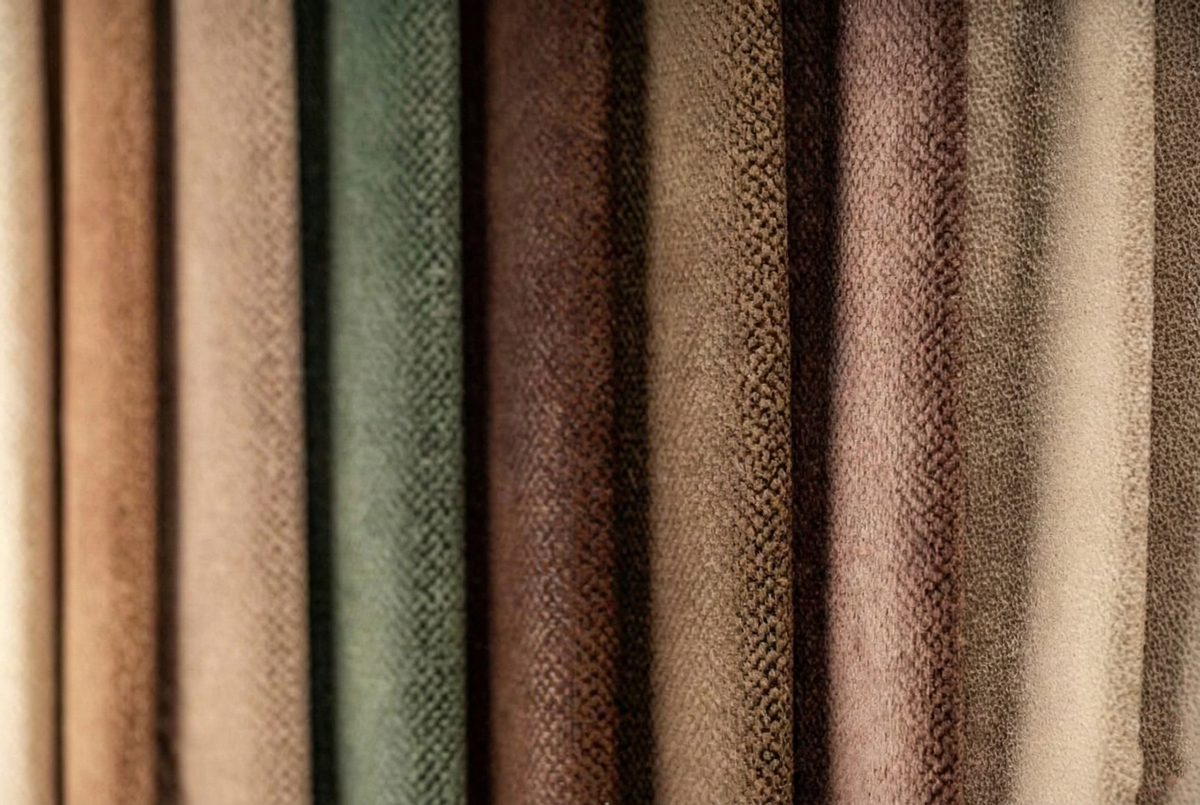
The fabric or leather on the outside is what you see and feel every day, so it matters a lot. There are a few common options in South Africa: fabric, microfibre, bonded leather, and genuine leather.
Fabric is the most affordable and comes in hundreds of colours and patterns. It is comfortable and breathable, but it can stain and wear down faster in high-traffic homes. Look for fabric with a high rub count (sometimes called a Martindale count), anything above 25,000 is a good bet for everyday use.
Microfibre is a step up. It resists stains better than regular fabric and is easier to clean. It is a solid choice for families with young children.
Bonded leather looks like real leather but is made from scraps glued together and coated. It is less expensive, but it peels and cracks after a few years, especially in hot South African weather. If the price seems too good to be true for a leather suite, it is probably bonded.
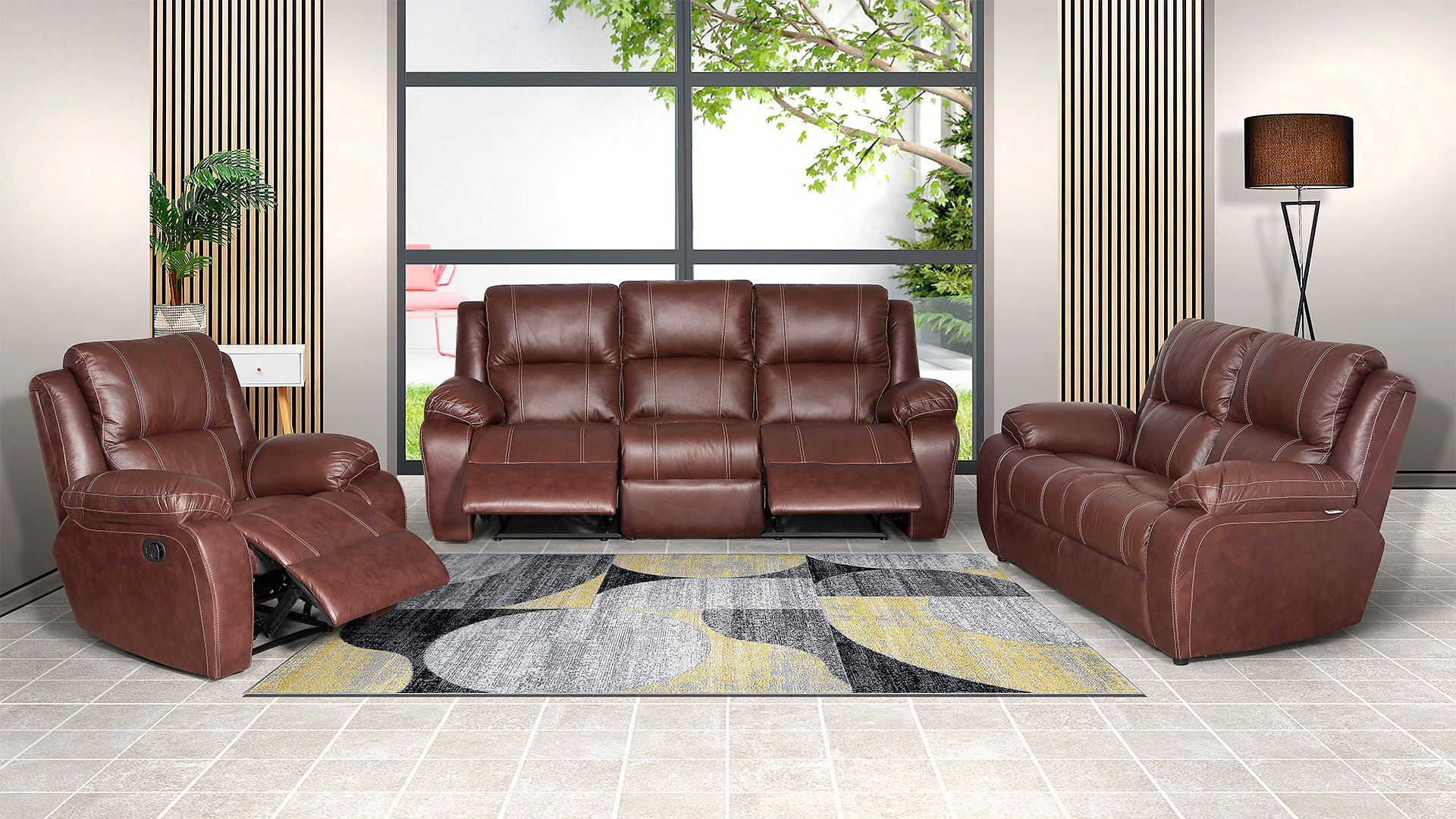
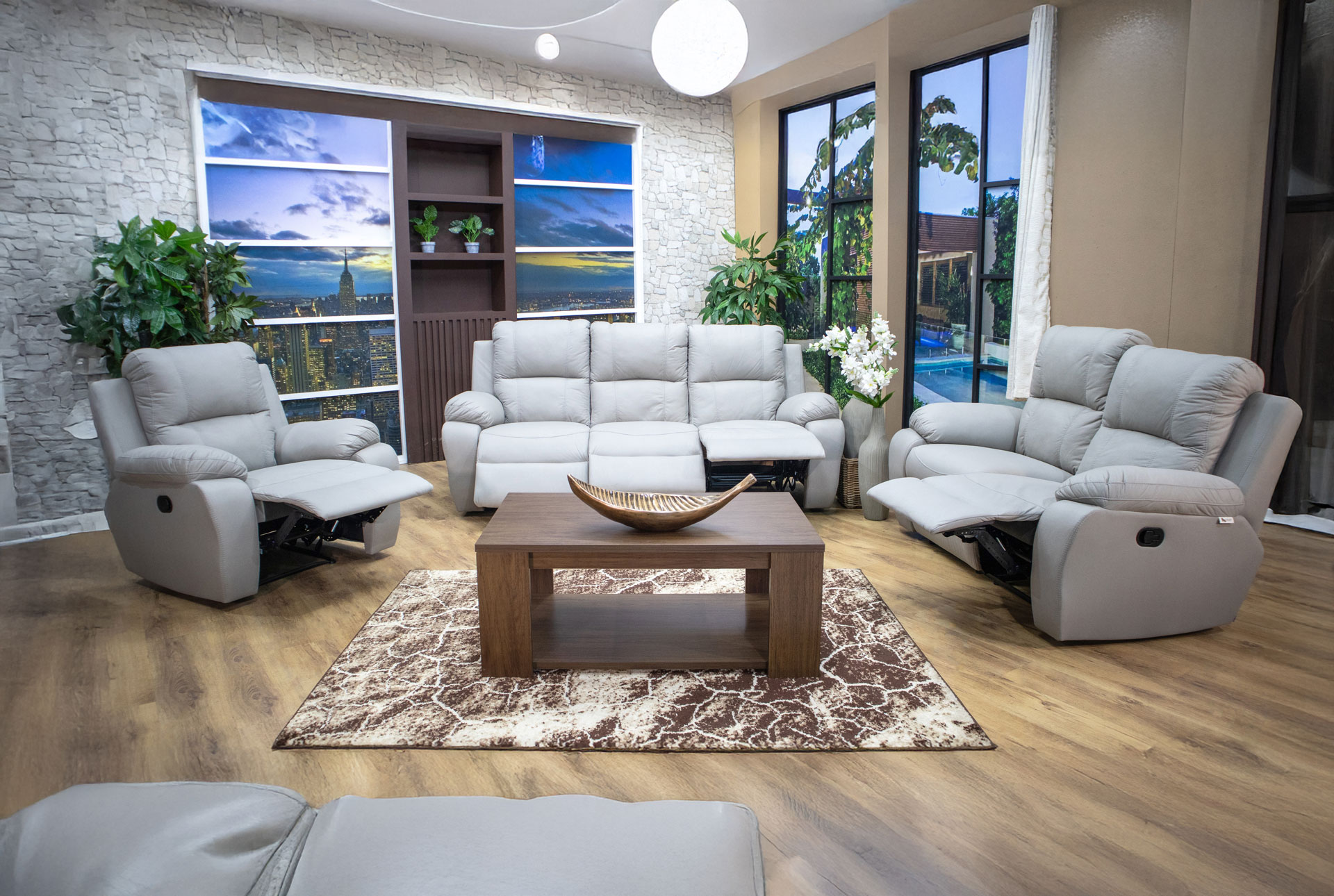
Genuine leather costs more but lasts much longer. It gets softer and better-looking with age. If the budget allows, genuine recliners for sale in real leather are a solid long-term choice. Wipe them down regularly with a leather conditioner to keep them in good shape.
4. Sit On It Before You Buy
Looking at photos is not enough. A lounge suite might look great on a website but feel terrible in person. The cushions might be too soft, too hard, or too shallow. The backrest might not support your lower back. The seat height might not work for your legs.
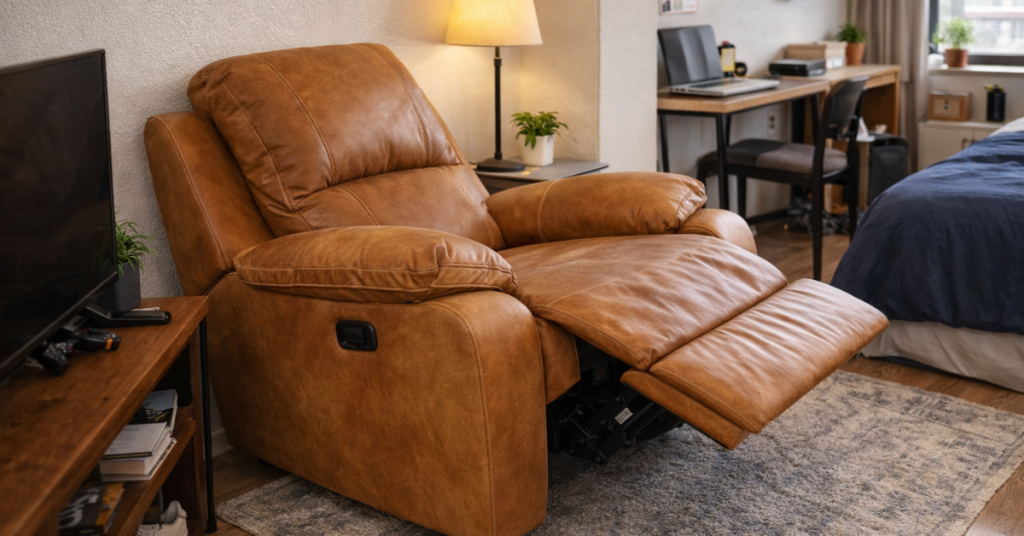
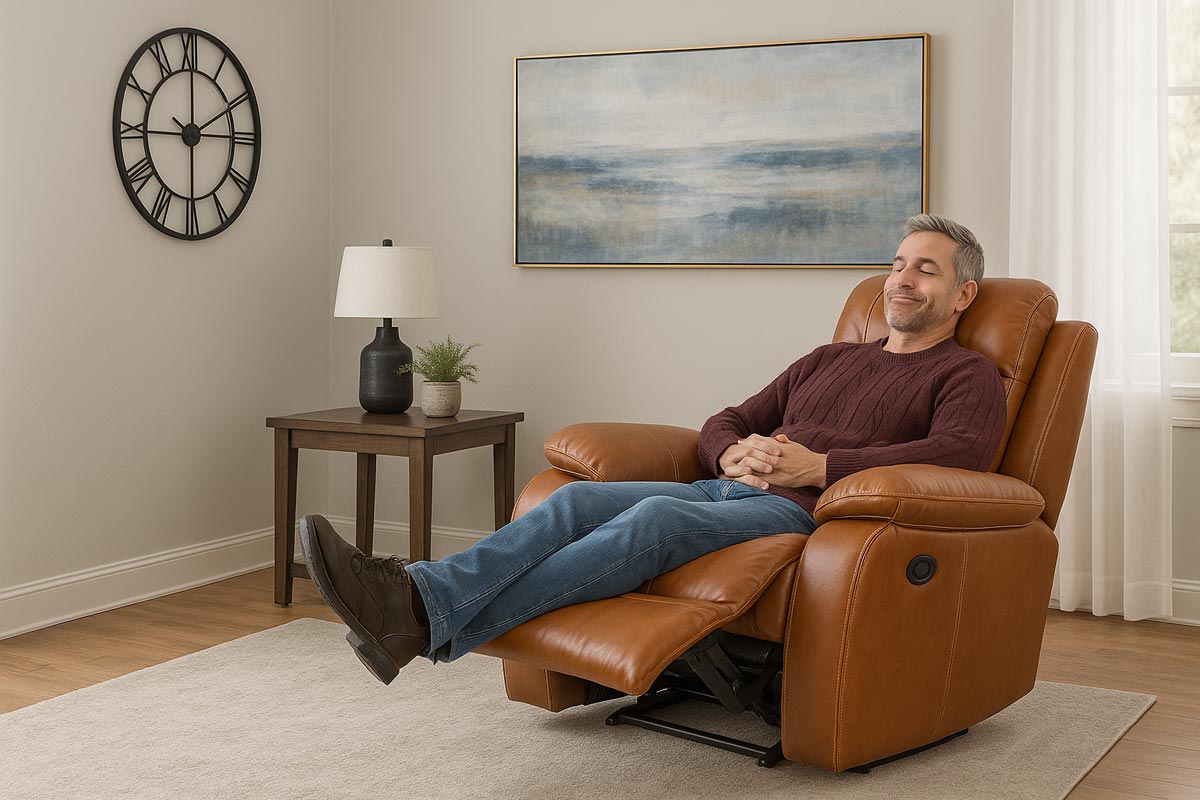
Go to the store, sit down, and spend a few minutes on each piece. Lean back. Shift around. Put your feet up if it is a reclining model. If you are at a recliner couches for sale showroom, test the reclining function several times. Check that it moves smoothly and locks firmly in each position.
Think about who else will be using the suite. Tall people need deeper seats and higher backrests. Older family members might need firmer cushions and seats that are easier to get out of. If anyone in the house has back problems, lumbar support should be a priority.
5. A Few More Things Worth Knowing
Delivery costs can add up. Some stores include delivery in the price, while others charge extra - and it can be a big number if you are outside a major city. Ask about delivery fees, timelines, and whether they will carry the furniture inside and set it up.
Think about the long game. A lounge suite that costs R15,000 and lasts ten years is better value than one that costs R8,000 and needs replacing after three. Spend time comparing options and do not rush the decision.
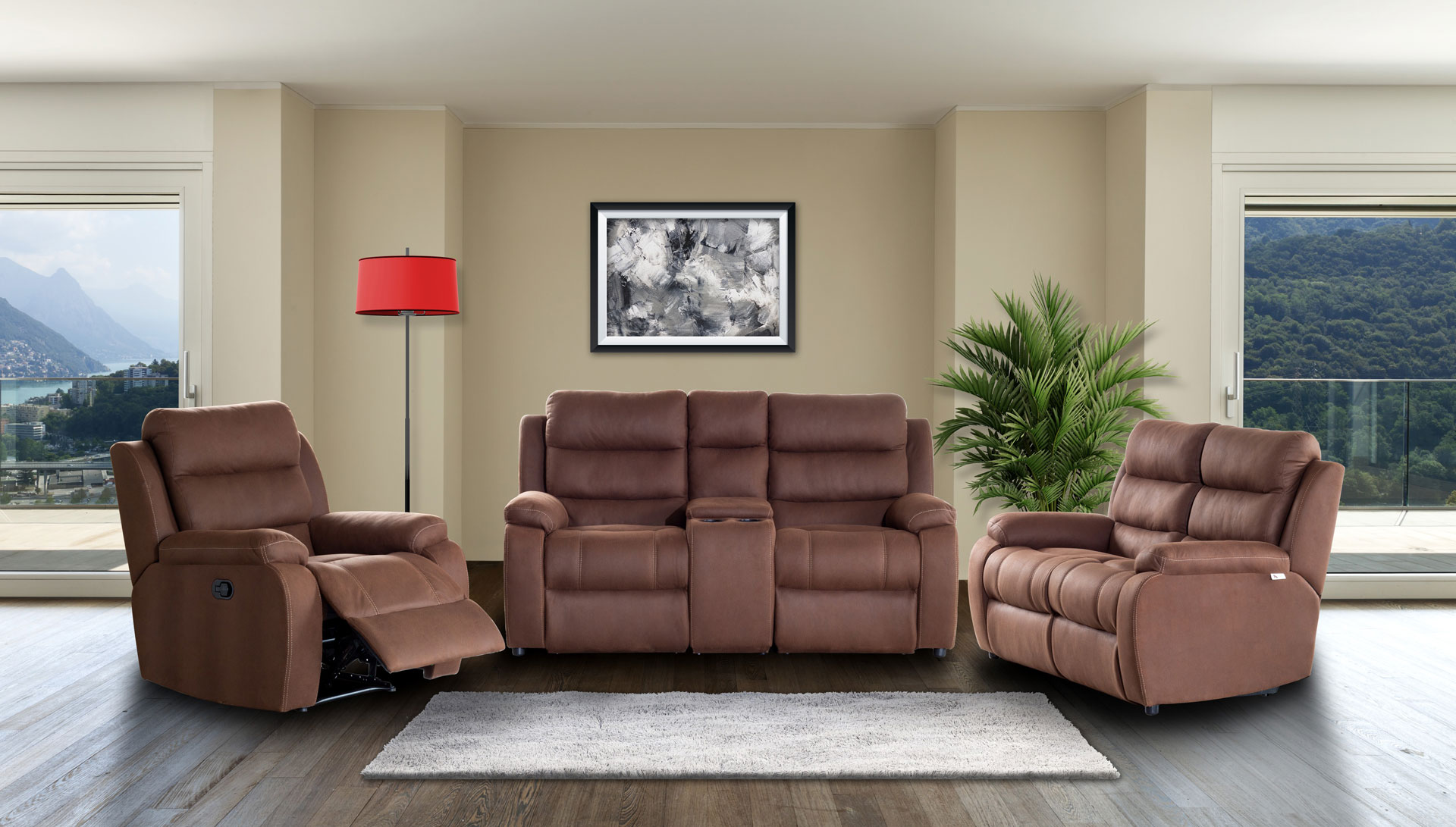
If reclining comfort is at the top of your list, spend time testing different reclining styles. Manual recliners are more affordable and have fewer parts that can break. Electric recliners are more convenient but cost more to fix if something goes wrong. Both types have their place, it depends on the budget and how often the reclining feature will be used.
Buying a lounge suite does not need to be stressful. Take your time, do the checks listed above, and go with the option that fits the room, the family, and the budget. A well-chosen suite makes the living room a place people actually want to spend time in and that is worth getting right.